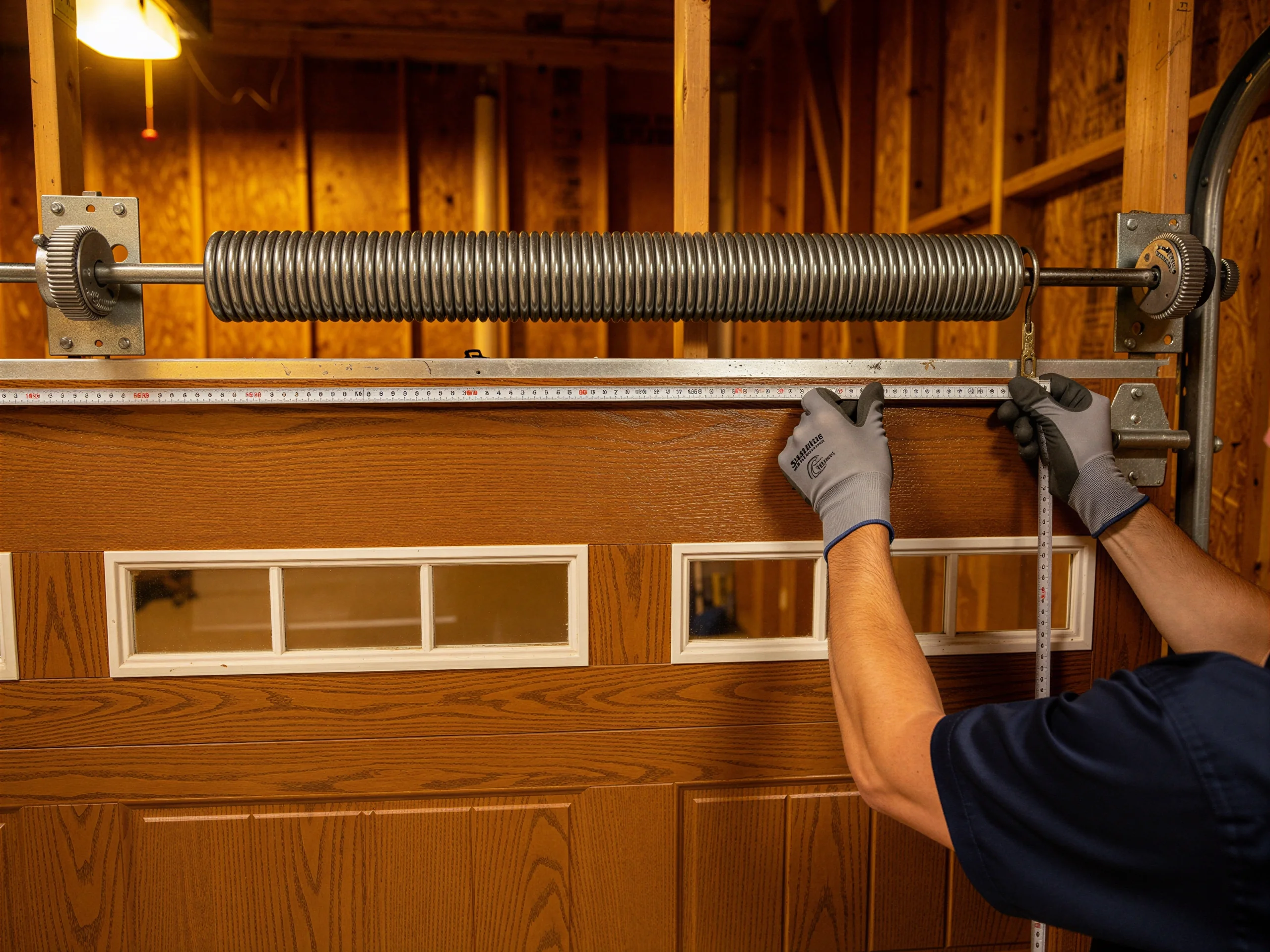
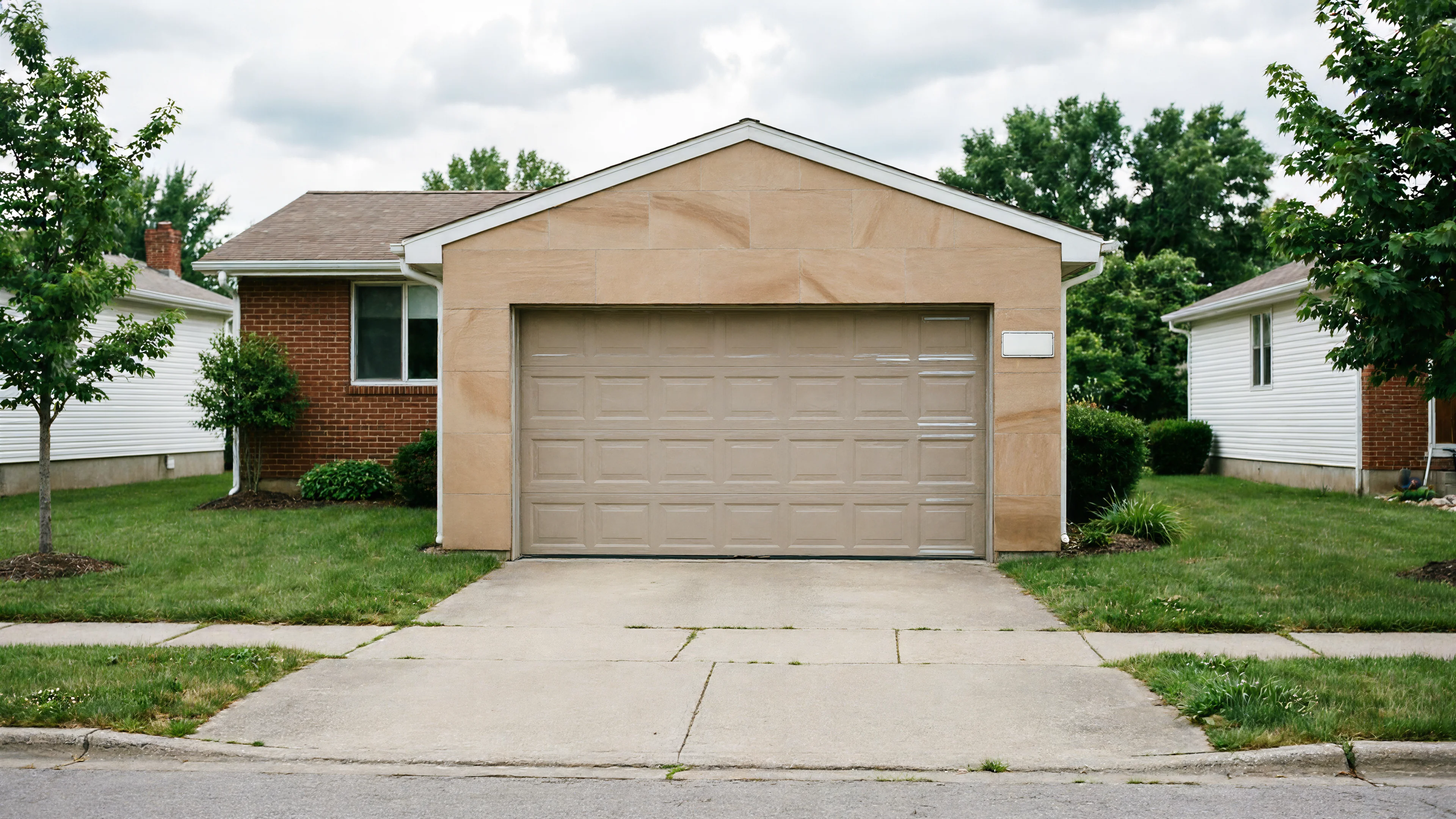
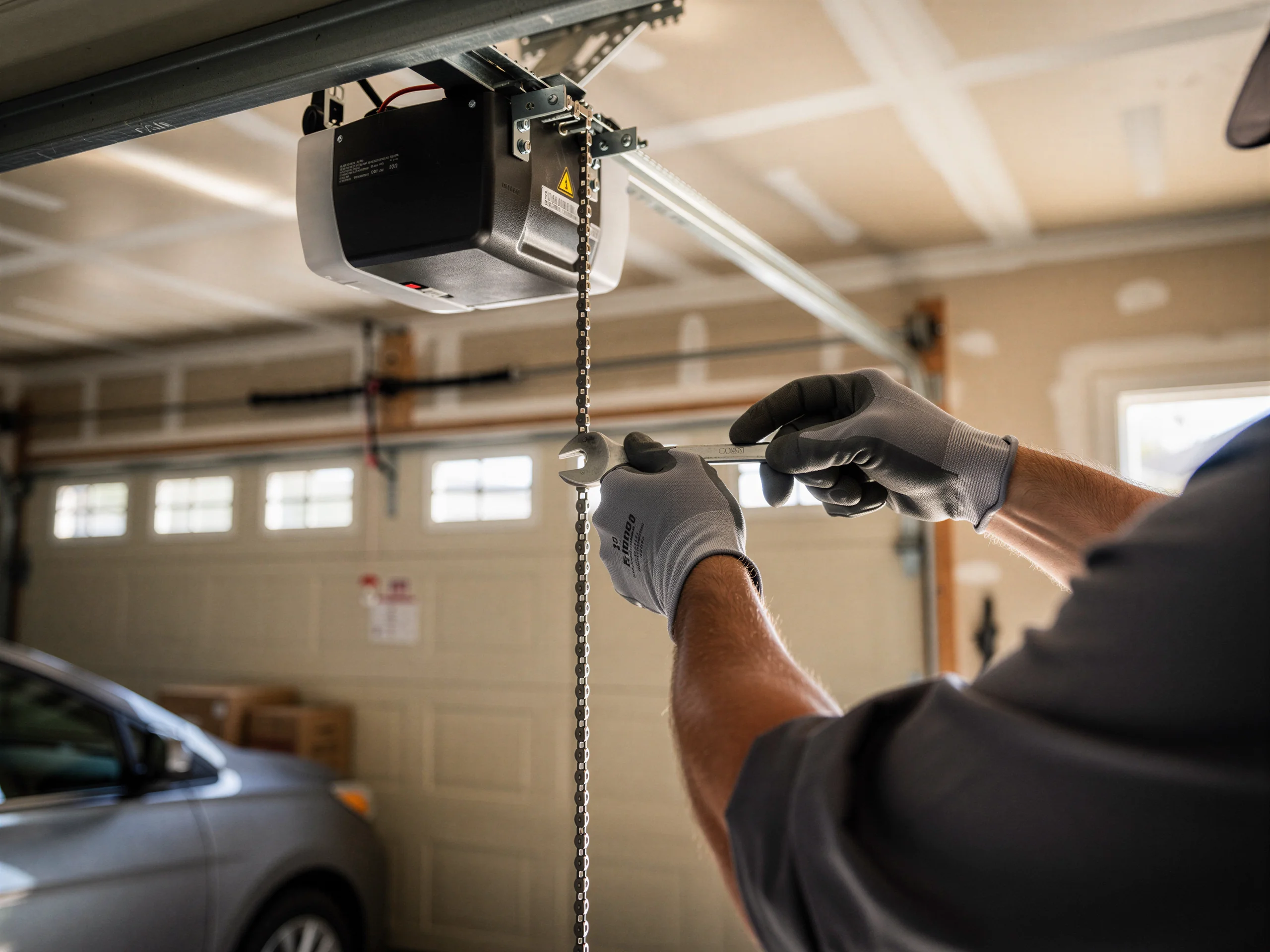
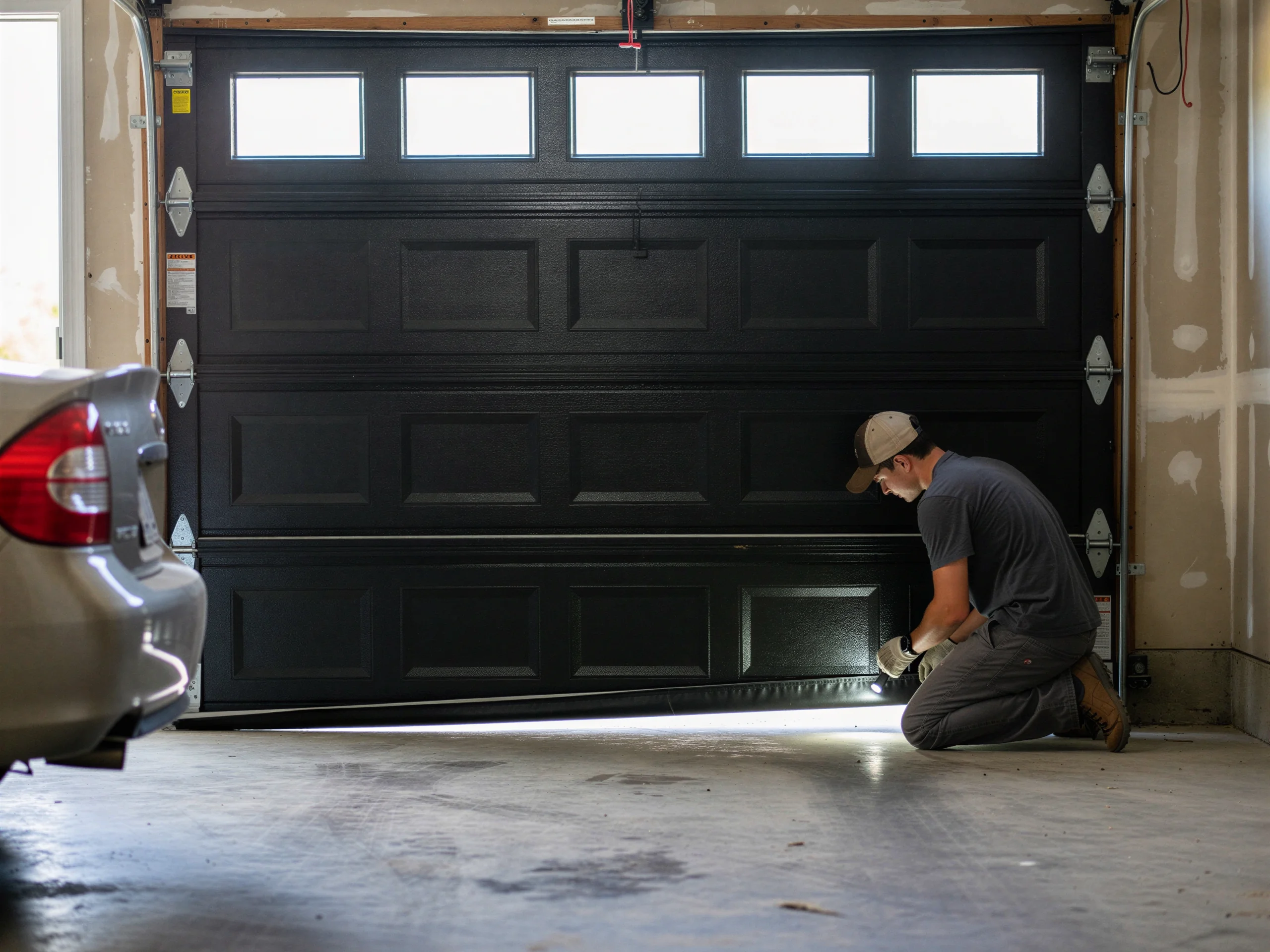
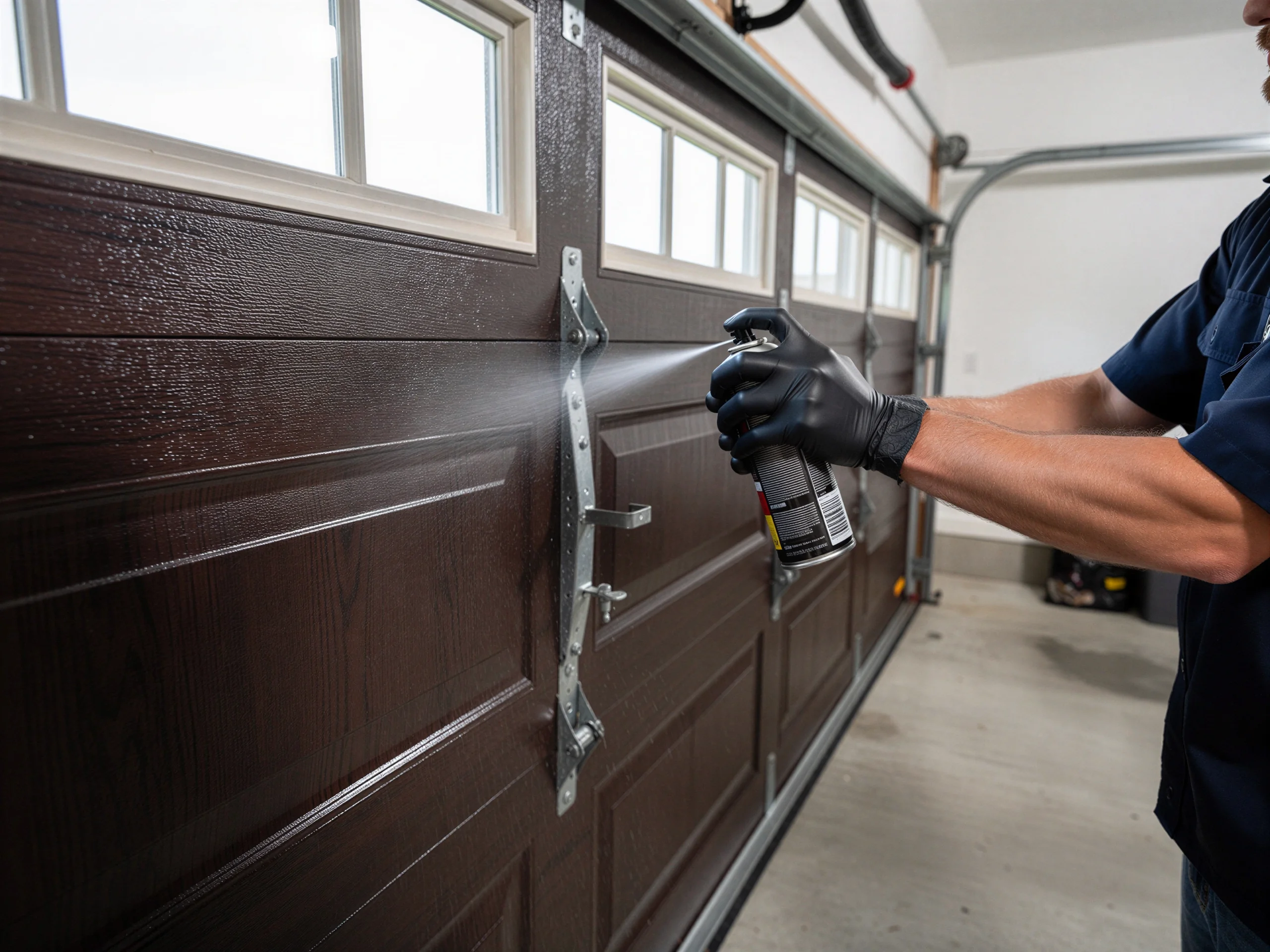
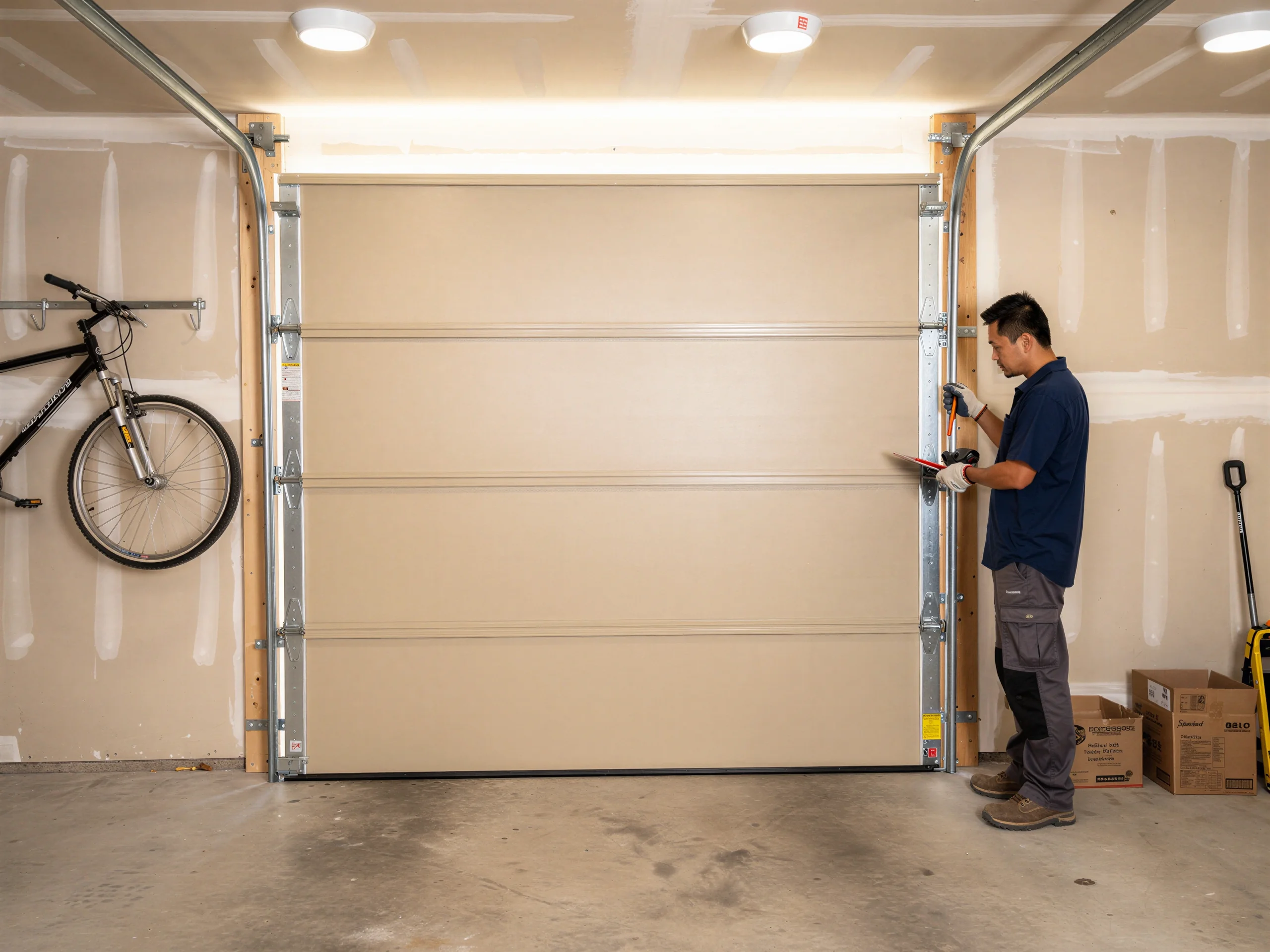
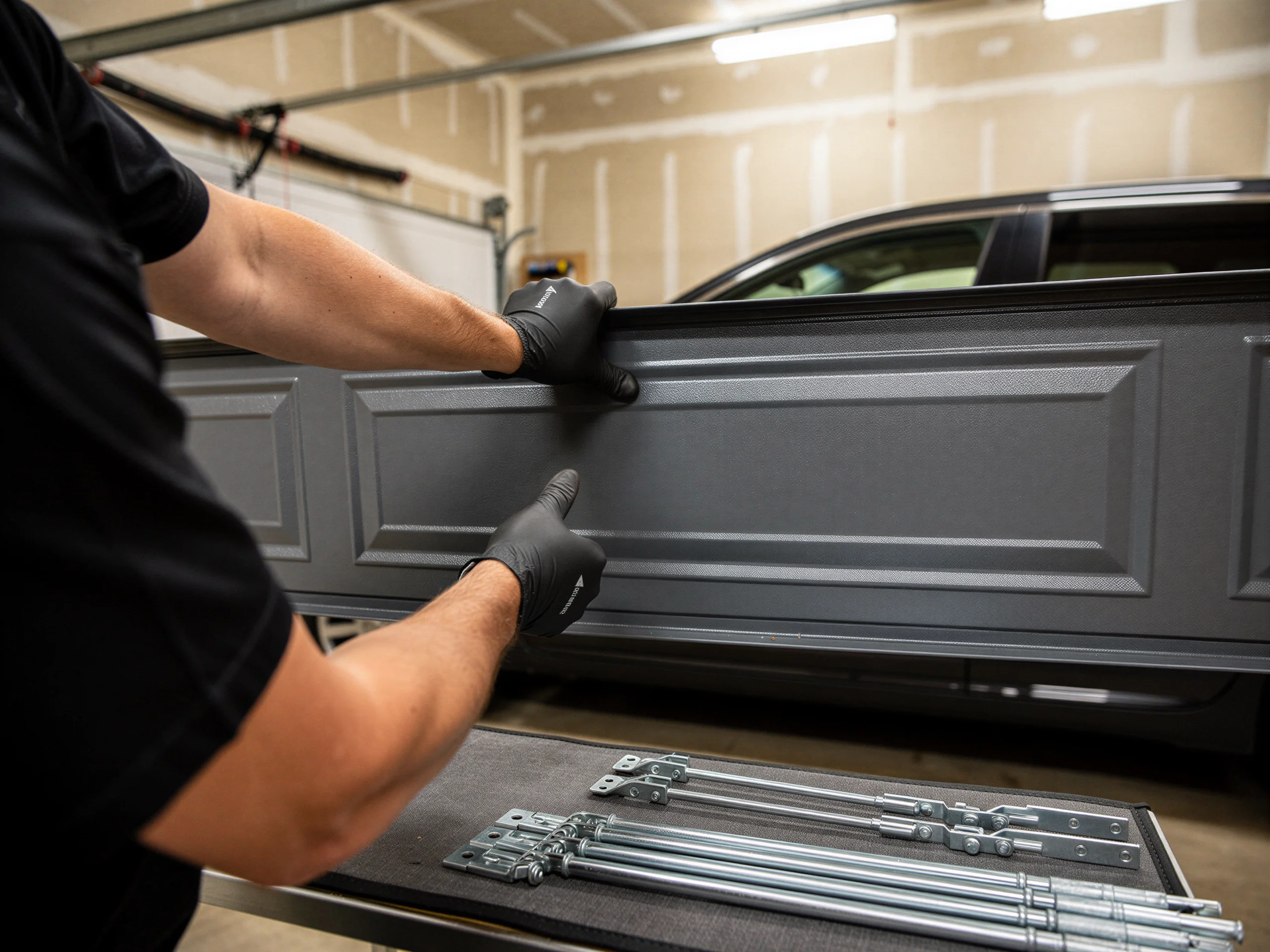
Most of the housing stock across this service area went up between 1945 and 1988, with the median build year landing around 1972. That matters for springs specifically: a house built in that window almost always shipped with the door hardware standard for its decade, and a lot of those original torsion and extension setups are still in place, just worn down by fifty-plus years of winding and unwinding.
The climate does the rest of the work. This is a severe cold-climate zone, and steel spring wire doesn't like big temperature swings. Cold makes the wire brittle and stiffens the lubricant inside the coil, so the spring is working harder on a January morning than it was in August, right when a marginal spring is most likely to let go. Across the eleven named areas in this service territory, that combination - 1960s-70s hardware plus hard winters - is the single biggest reason we get spring calls between November and March.
It's not a defect in any one house. It's the math of old steel under repeated cold stress, and it shows up on a predictable schedule rather than at random.