Local detail
The Common Mistake
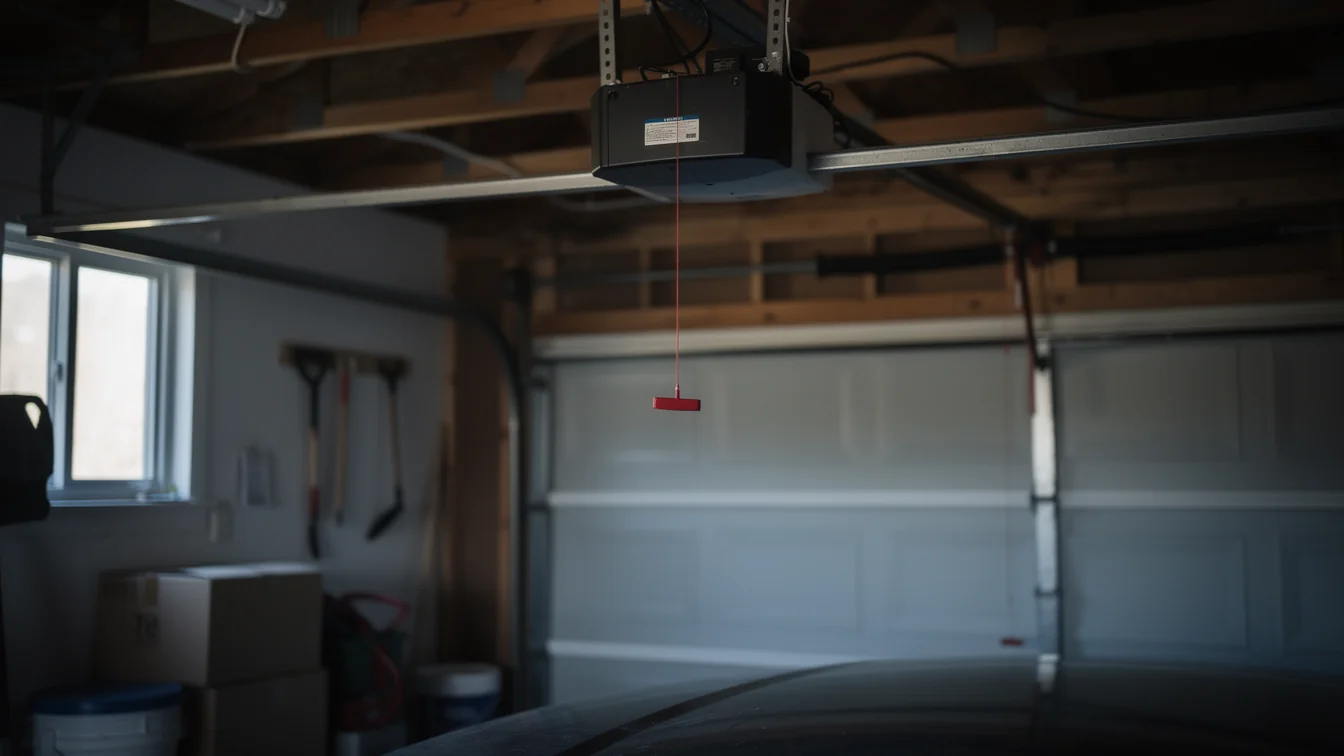
The mistake we see most is treating a service call like an oil-can job. Someone hears a squeak, sprays silicone on the rollers, and figures that's the fix. On a door that's original to a house built in the 1960s or 70s - which describes a lot of what's out there in this service area - that squeak is usually the bearing plate or the spring itself telling you it's near the end of its cycle count, not asking for lubricant.
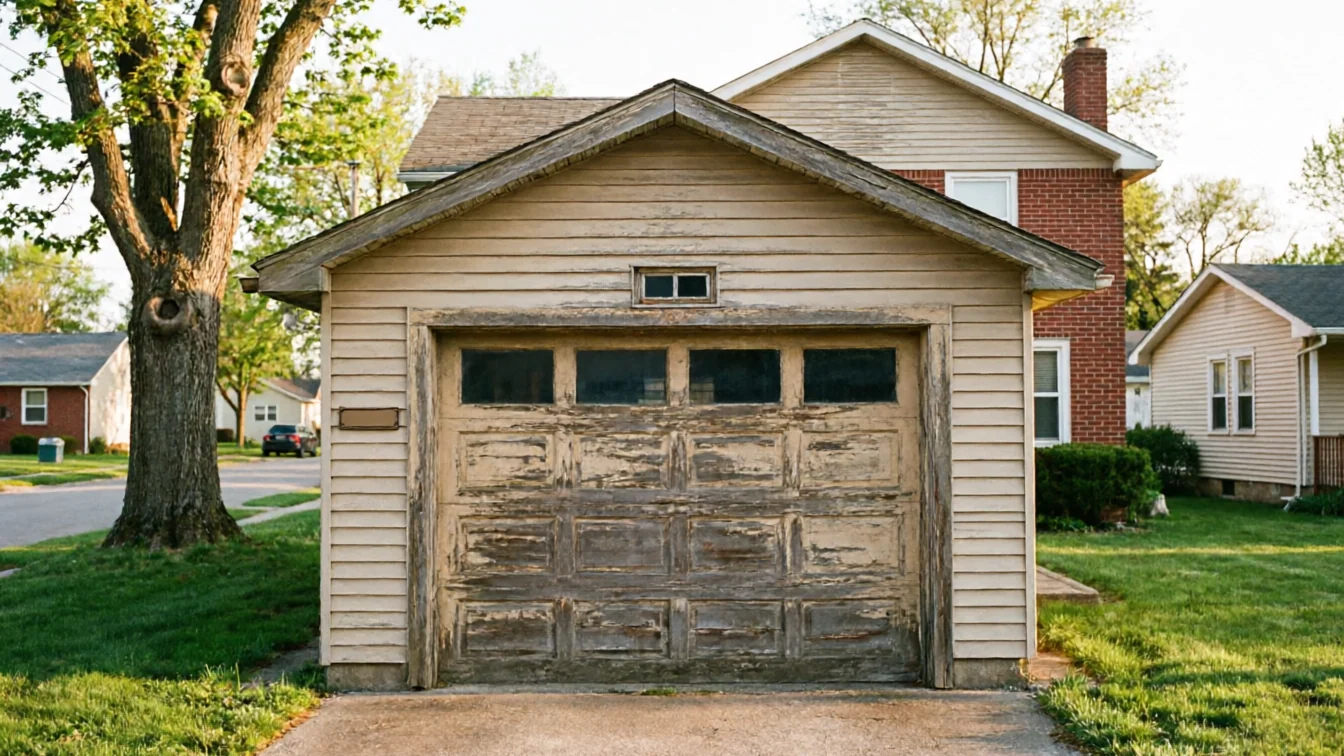
Housing in this area runs 1945 to 1988, with the median landing around 1972. That means a sizable share of doors and openers aren't the second or third replacement - they're close to original, or a first-generation swap from decades back. Spraying lube on worn galvanizing doesn't buy you much time when the hardware underneath is that old. A real service call checks balance, cable wear, and the spring's condition before anything gets touched with a can. Skipping that step is how a $40 fix turns into a cable snapping on a torsion bar under load, which is not a job you want happening over your head.
The area
The Situation
We work across eleven named areas, and the housing stock across them skews 1960s and 70s construction. That consistency matters on a service call: a tech who knows this area knows what's likely behind the door panel before he opens the truck. Steel track from that era, side-mounted torsion setups, and early chain-drive openers are common enough that we stock for them rather than guessing.
The service area covers 16,402 households, with 8,791 of those owner-occupied houses. That's a lot of doors that have had one owner, or two, cycling the same hardware for 50 years. On a typical call that means the opener logic board might be original, the spring might have been replaced once in the 90s, and the track might never have been touched. Knowing that going in changes what a tech brings off the truck - torsion springs sized for older drum setups, not just the newer standard stock.
What we find
When It Stops Being a DIY Job
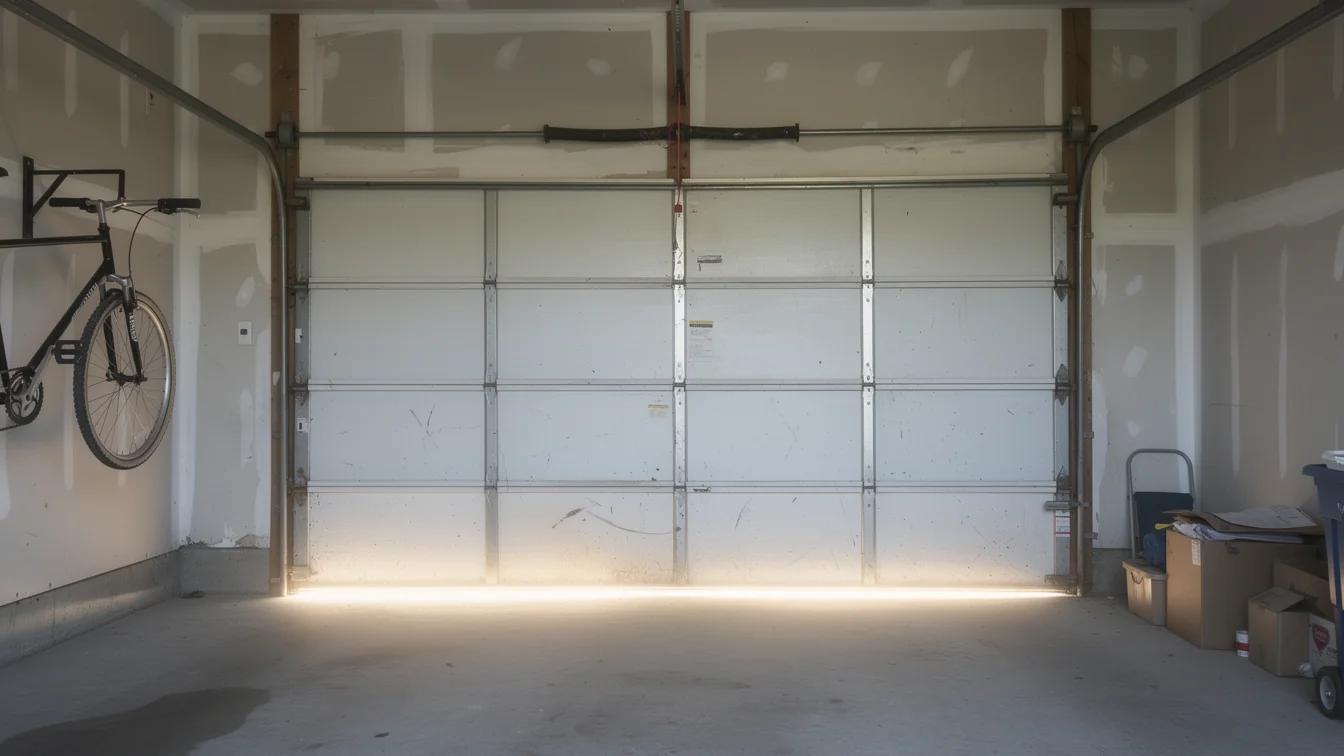
A torsion spring under tension on a double door holds enough stored energy to break bones or worse, and that doesn't change no matter how handy you are. That's the line - not whether you own a wrench, but whether the part holds load.
At a median household income of $62,575, most of the calls we get are repair-first, not jump-straight-to-replacement. That's a reasonable instinct. But on houses from the 1960s-70s stock common here, a repair call sometimes turns into a replacement conversation on site, once we see the track is bent beyond pulling true or the drum is worn past the point a new cable will seat right. We'll tell you straight when that's the case instead of patching something that'll fail again in a season.
One limitation worth saying plainly: if the part needed is an original-spec piece for a door that old, we may not have it on the truck, and it can take a few days to source. That's not us dragging feet - some of this hardware just isn't made anymore.
How we work
What the Weather Here Does to It
Grand Haven sits in a cold-severe climate band, and that shows up on service calls in specific ways. Steel contracts in deep cold, and a spring tensioned correctly in August can bind or over-tighten once temperatures drop well below freezing - which is exactly when you don't want a door stuck half open. Lubricant that was fine in summer thickens up and stops doing its job, so rollers that were quiet in July start grinding by January.
On older track systems common to this area's 1960s-70s housing, the cold also makes existing wear worse - a track that was slightly out of alignment in warmer months can bind hard once the metal contracts. A service call in winter here often includes checking alignment and spring tension together, not just one or the other, because cold exposes problems that summer hides. If your door's been fine for years and suddenly sticks the first really cold week, that's usually why.
Talk to a local pro
Garage door trouble in Grand Haven?
Same-day service with honest, upfront quotes.