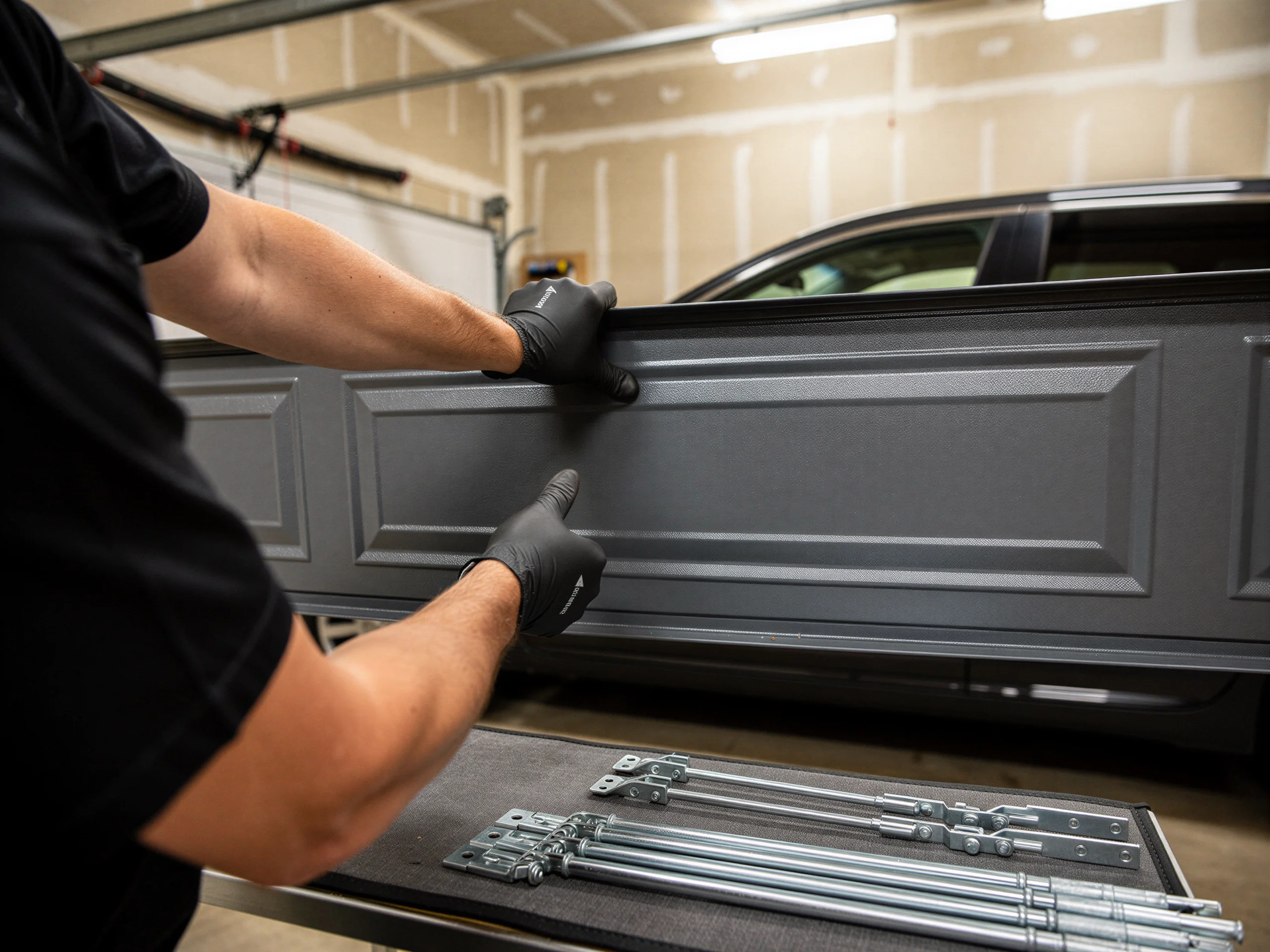
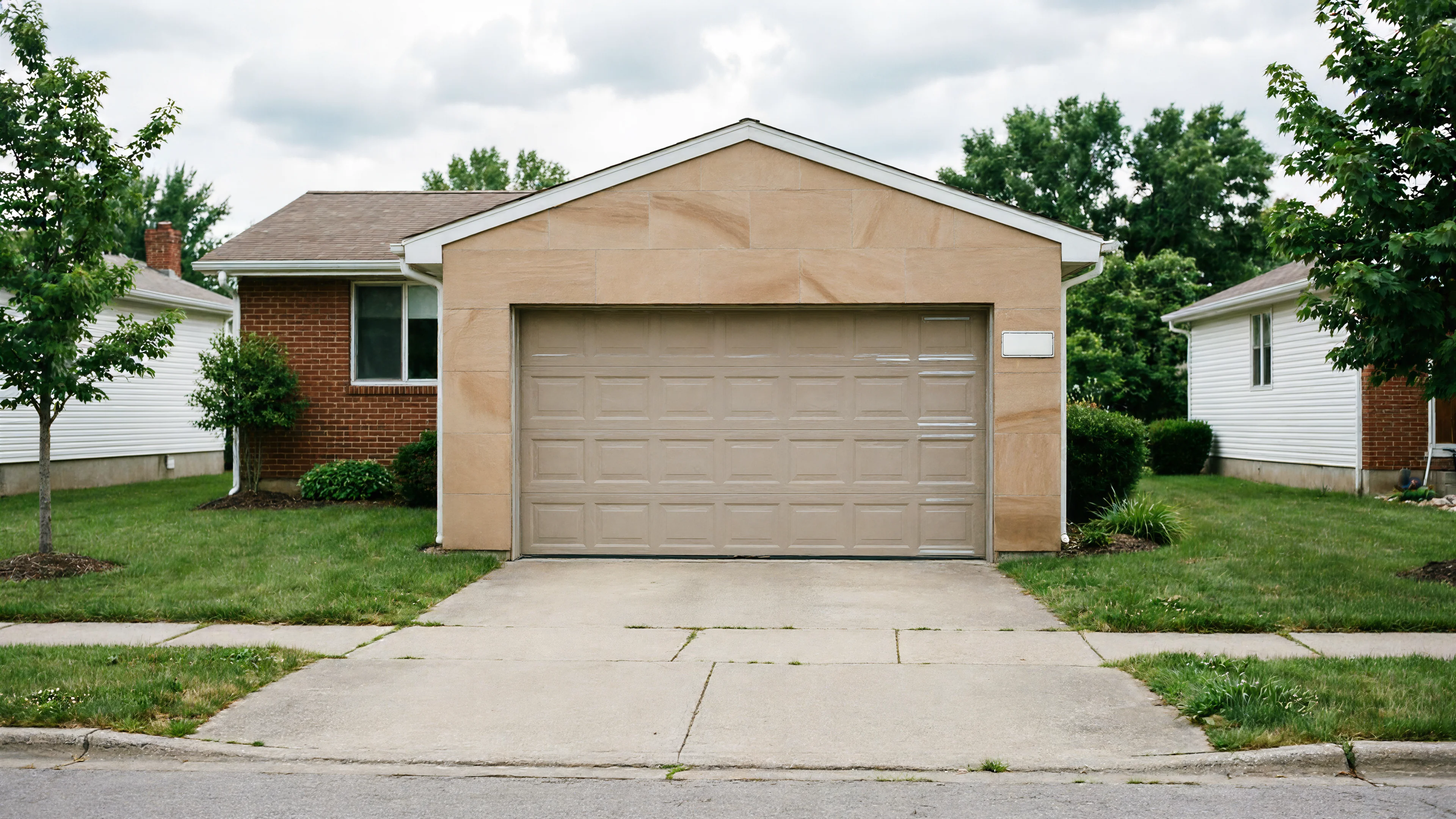
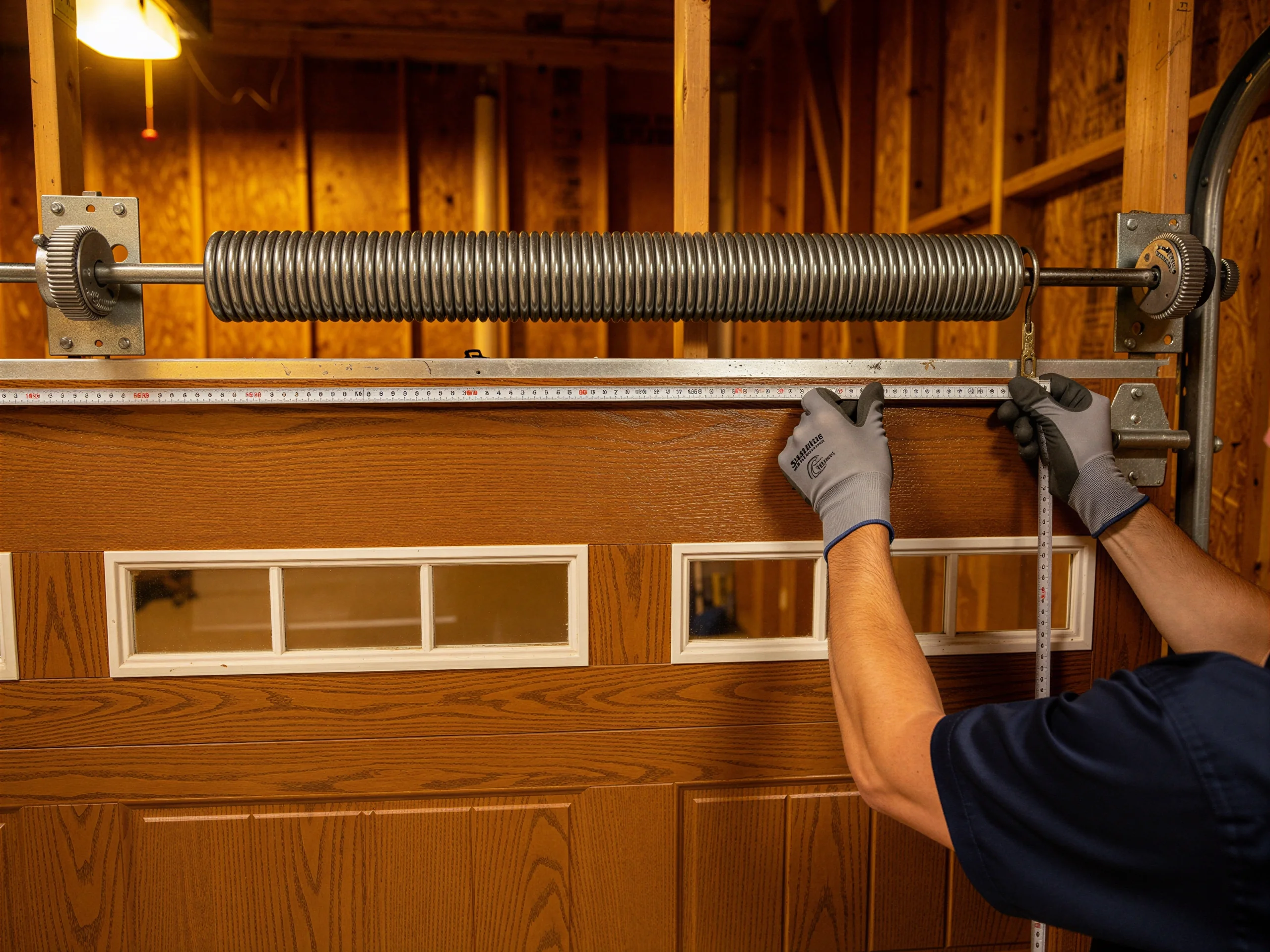
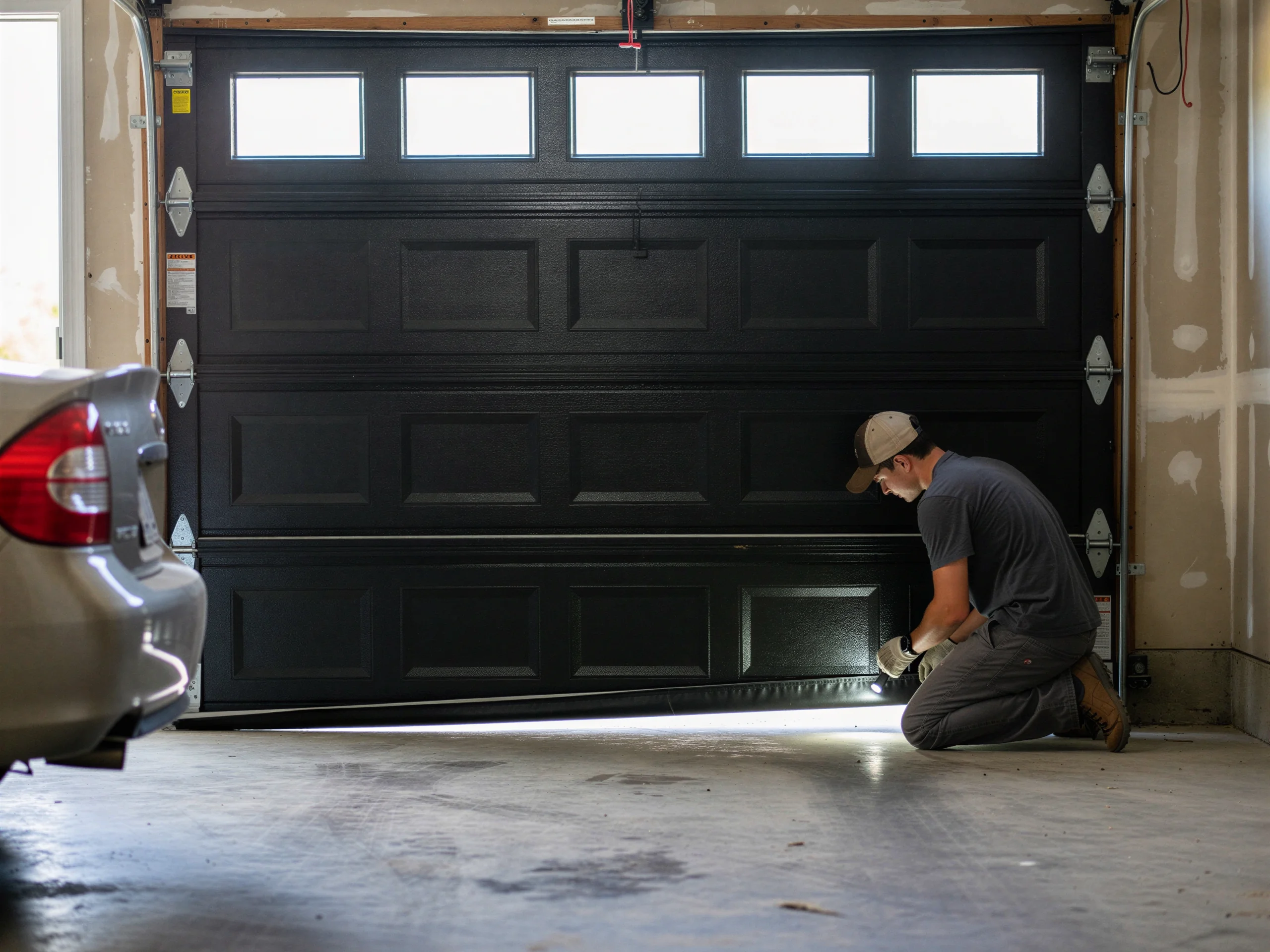
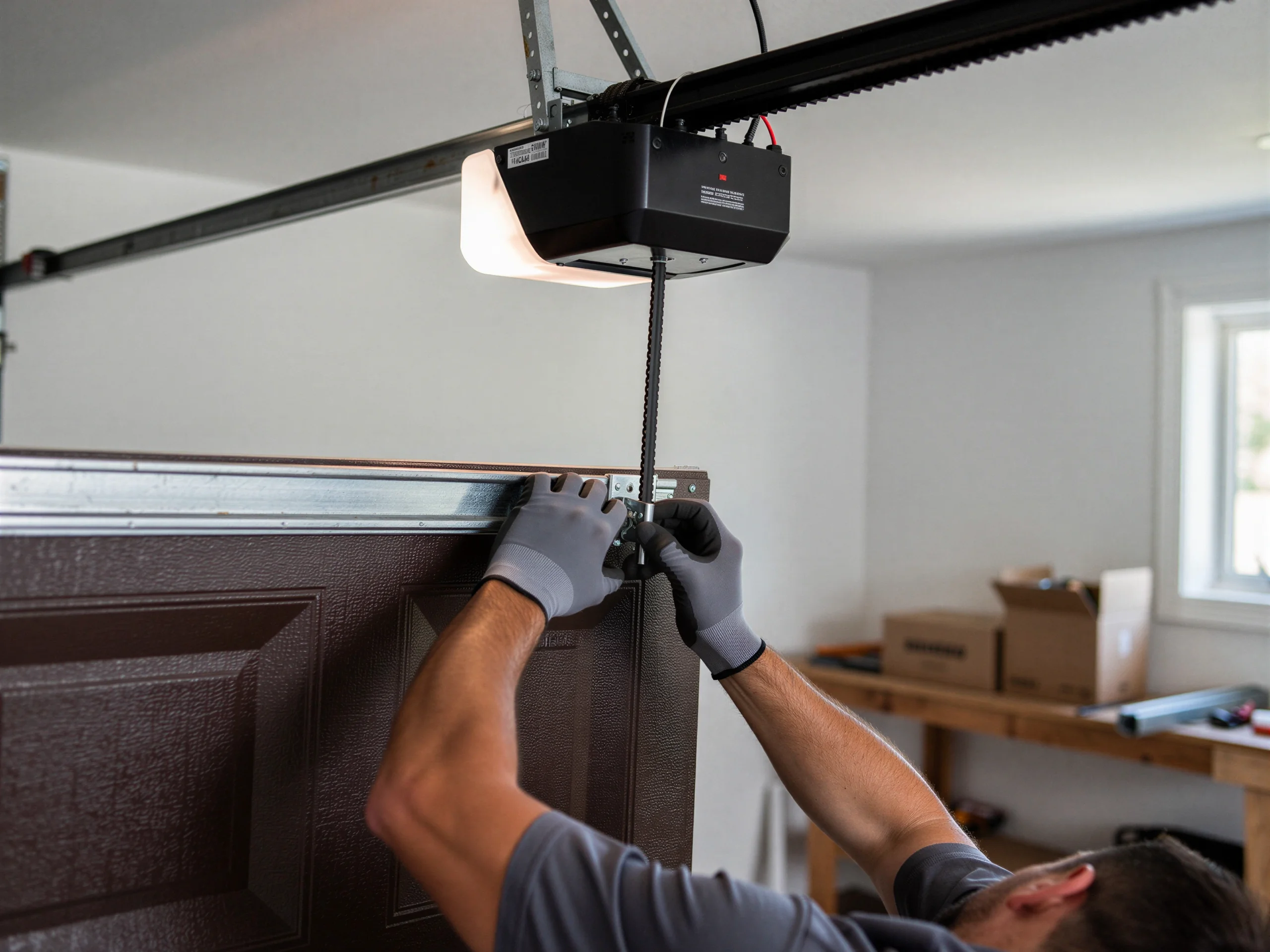
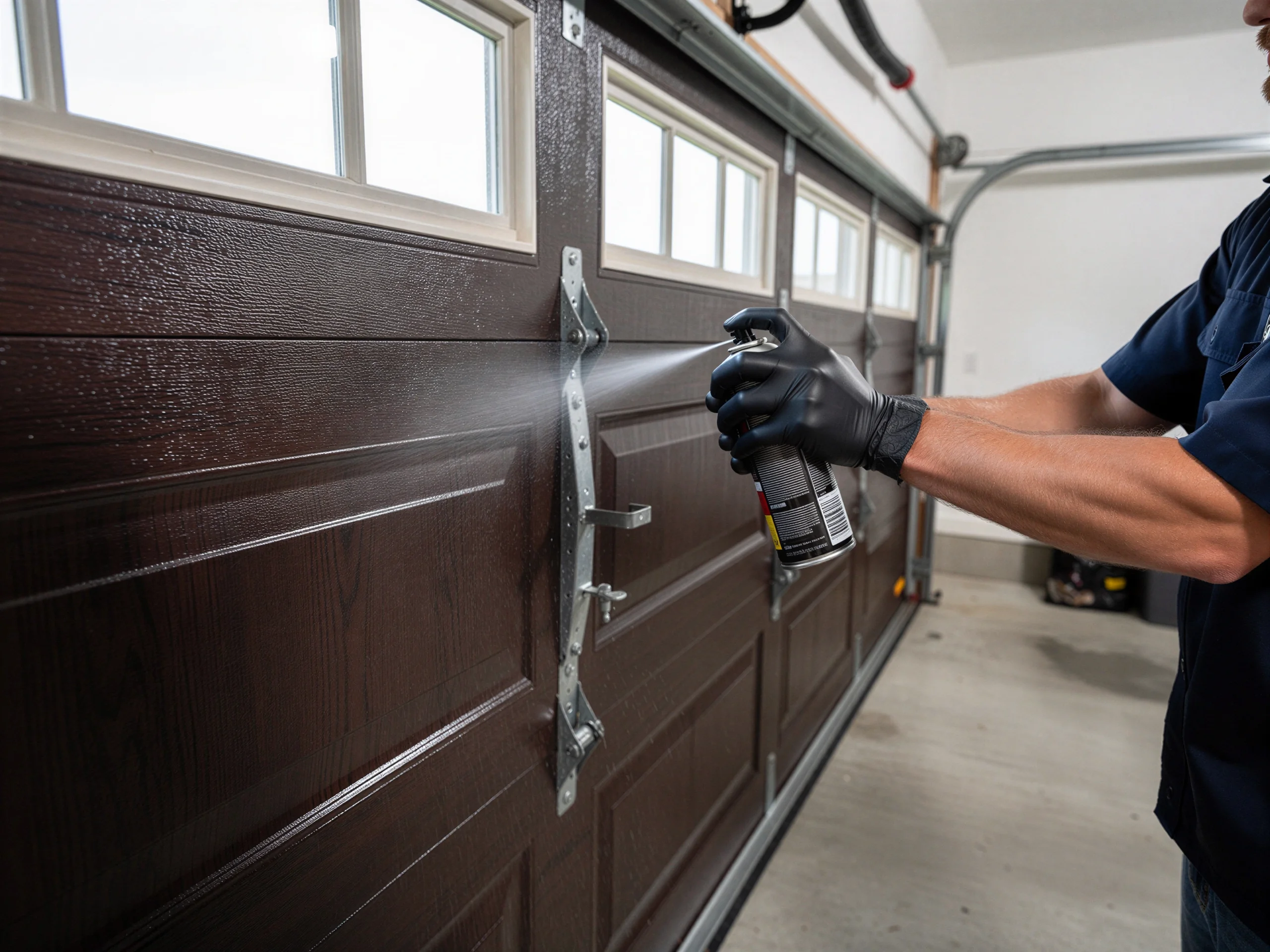
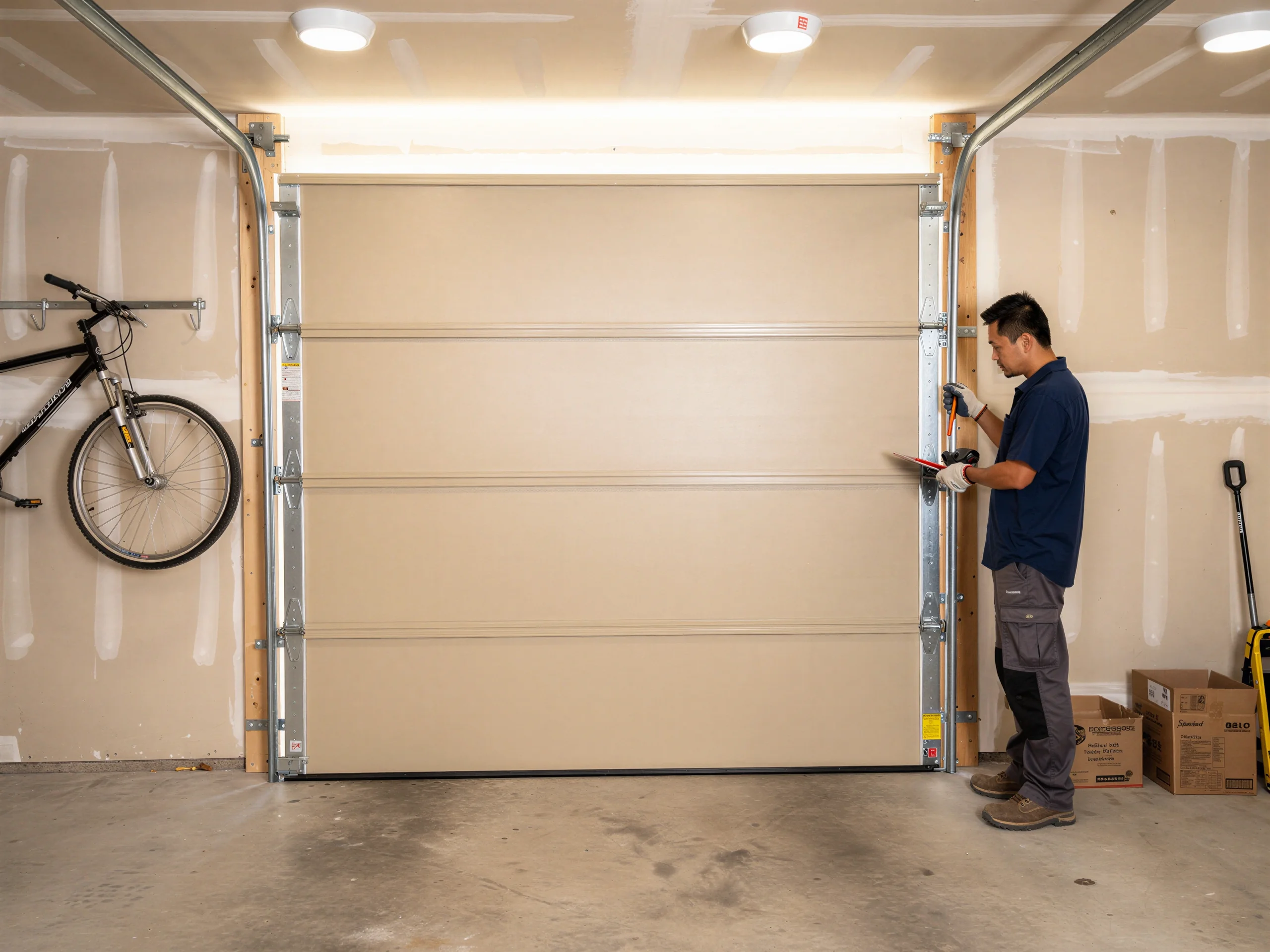
This region sits in a cold-climate band with real winter severity, and that matters for panel failure in a specific way. Steel panels expand and contract with temperature swings, and on older doors - the kind common in housing stock from the 1960s and 70s that makes up most of what's out there - the galvanized coating has usually thinned or chipped at the bottom few inches from decades of slush, road salt carried in on tires, and meltwater sitting against the bottom section.
That bottom panel is almost always the first to go. Once the coating is compromised, rust works from the inside of the steel skin outward, and by the time you see bubbling paint, the panel is already thinner than it looks. On a double-wide door, that same bottom section also takes the brunt of wind load during storms, which turns a small rust spot into a crease or buckle a lot faster than it would on a protected panel higher up.
Houses from the 1945-1988 era this area is built out from often still carry their original doors or a straight one-for-one replacement from the 80s or 90s, which means the panel style is old enough that finding an exact match gets harder every year that goes by.