Serving Grand Haven, MI & nearby(616) 441-5213
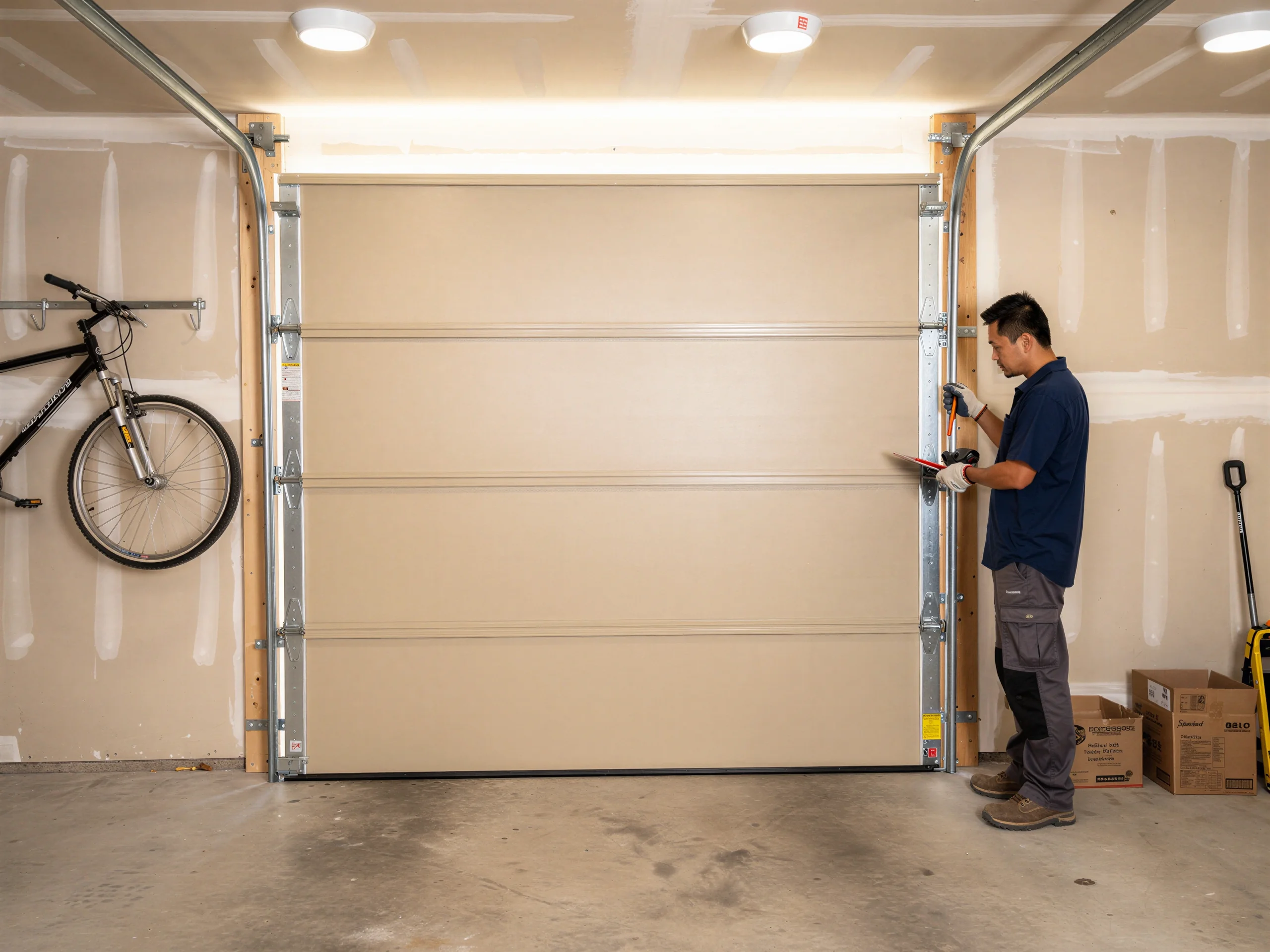
A technician inspects a closed tan garage door with a bicycle hanging on the left wall.

Grand Haven, MI

New Garage Doors Sized Right for Grand Haven's 1960s-70s Homes

Grand Haven Garage Door Pros installs new garage doors sized for 1945-1988 housing stock and built to handle West Michigan's severe cold winters each year.

Serving Grand Haven, MIBackground-checked techsHonest, upfront pricingFast local response
1945-1988
Grand Haven build window
1972
median build year here
11 areas
communities we cover
January
when a bad seal fails

DIY or pro

The DIY Question

A pre-hung garage door kit from a big box store looks simple until you're standing in the opening with a tape measure and a door that doesn't match it.

Rough openings vary

Most of the housing stock around Grand Haven went up between 1945 and 1988, with the median build year landing around 1972 - which means rough openings, header heights, and track clearances that don't always match what ships off a modern pallet today. You can hang a door yourself.

Spring winding mistakes

Plenty of people do. But a torsion spring wound to the wrong cycle count for a heavier insulated panel, or a track set that's a half inch off true, turns into a door that slams, binds, or comes off the rail in the first hard winter.

Like-for-like swaps only

Where DIY makes sense: swapping a like-for-like door on an opening you've already confirmed is square, with hardware you're reusing. Where it doesn't: anything involving spring conversion, header reinforcement, or an opening built before 1980 that's settled out of plumb, which is common in this age of housing. That's a judgment call worth getting a second opinion on before you cut into drywall or trim.

Local causes

Why It Happens Here

Serving Grand Haven, MI

Grand Haven sits in a severe cold climate band, and that matters more for a garage door than most homeowners expect. A door installed without the right seal gap or insulation rating for this climate doesn't fail in July - it fails in January, when the bottom seal shrinks, the panel contracts, and a gap opens up along the slab that lets wind straight into the garage. Across the 11 named areas that make up most of the local stock, the bulk of homes were built in the 1960s and 70s, which means original openings sized for the lighter, uninsulated doors common in that era. Drop a modern insulated steel door into one of those openings without checking the jamb and header first, and you're fighting a mismatch from day one.

It isn't that old houses are poorly built - they're built for a different door than what's sold today. A correct installation accounts for both: the age of the opening and the climate the door has to seal against for the next twenty winters.
Watch-outs

Where This Job Goes Sideways

The trouble spots on an install are predictable once you've seen enough of them. First is framing: on houses from the 1945-1988 era, wood jambs can be out of square by enough that a door hangs level on one side and drags on the other - you don't find this until the door's half in.

Settled slab misalignment

Second is track alignment against a slab that's settled, which is common enough in this region's older driveways and aprons that we check it before we ever unbox a panel.

Cold-rated weatherseal

Third is weatherseal fit against a severe-cold spec; a seal rated for a milder zone compresses wrong once temperatures drop and lets air through exactly where you don't want it. Here's the honest limit: we don't install a new door over a frame that's rotted or badly out of square.

Frame before door

Fixing the frame has to happen first, and that's carpentry work, not a door swap. Skipping that step to save a trip just means the new door fails the same way the old one did, only faster.

Symptoms

The Symptom

The giveaway that a door needs replacing rather than patching usually shows up as cold air at the bottom seal, a panel that's visibly bowed in the middle, or daylight showing along one side when the door's shut.

Daylight gaps appear

On a lot of the 1960s and 70s builds in this area, that daylight gap is original hardware finally giving out after decades of seasonal temperature swings - not a one-time accident.

Bottom panel rust

Rust streaking at the bottom panel after a wet winter is another sign, especially on doors that were never upgraded with an insulated core. If you're only seeing one soft spot and the door still tracks straight, that's a repair, not a replacement.

Warped panel replacement

If the panel's warped, the seal's gone brittle and cracked, or the opening itself has shifted, installing a new door correctly sized and sealed for this climate is the straightforward fix rather than chasing a patch job that won't hold through another cold season.

Questions

Common questions

Will a new garage door fit my old opening without modifications?

Depends on the house. A lot of Grand Haven homes date to the 1960s and 70s, and openings from that era sometimes need jamb or header adjustments to take a modern insulated door square. We measure the opening first and tell you plainly if extra framing work is needed before the door goes in.

Do I need an insulated door here?

Given the severe cold winters this area sees, an insulated door with a properly rated seal makes a real difference in keeping wind and cold air out of an attached garage. It's not required by anything, but it holds up better through the season than an uninsulated panel.

What if my garage frame is out of square?

We don't install a new door over a frame that's rotted or badly out of square - it just transfers the old problem to the new door. That framing work has to happen first, separate from the install itself.

How do I know if I need a new door versus a repair?

If the door tracks straight and you're dealing with one worn part, that's usually a repair. If the panel's warped, the seal is cracked and brittle, or the opening has shifted, a correctly sized replacement is the more straightforward fix.

Explore more

Explore More Services In Grand Haven, MI

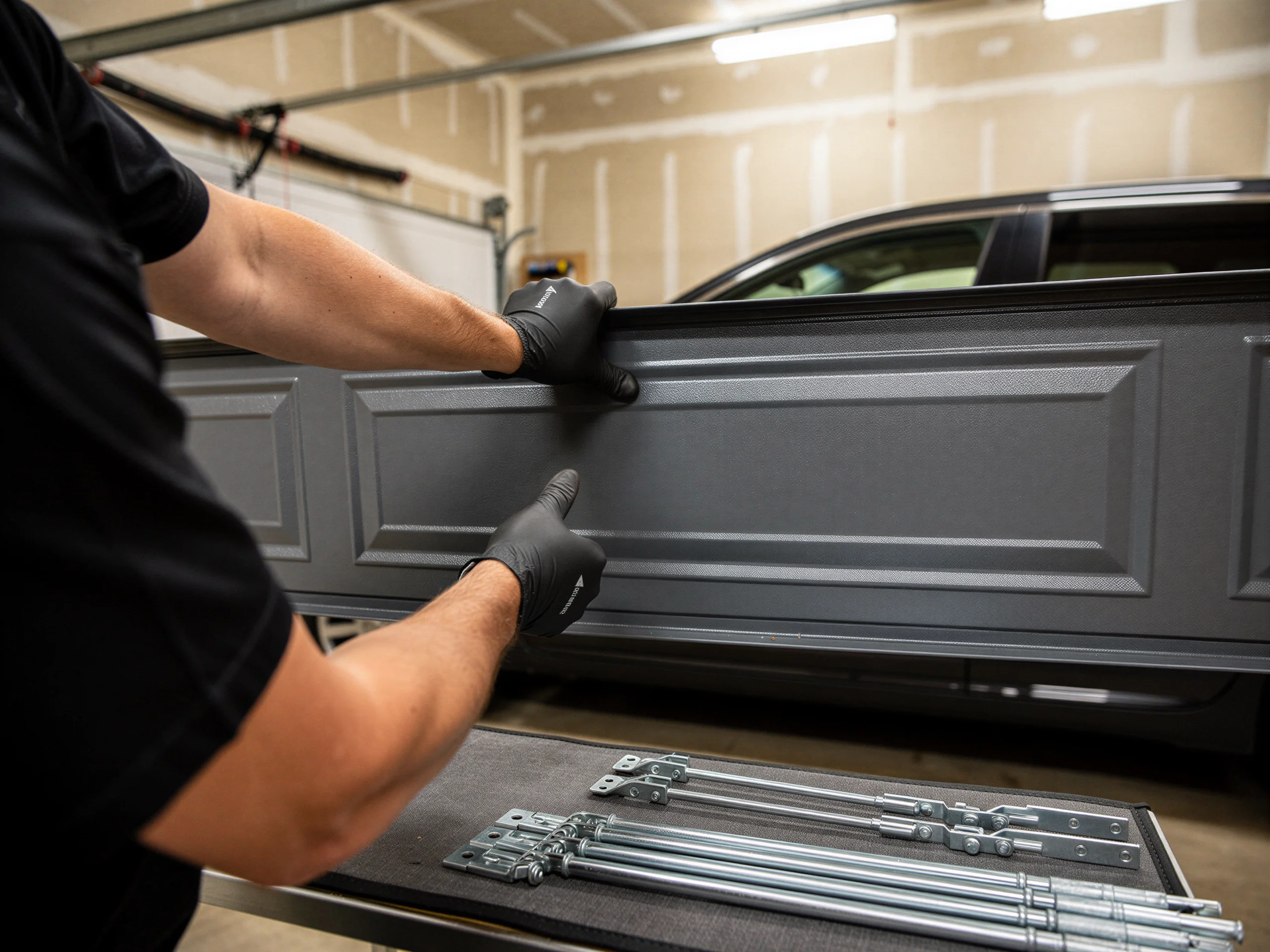
A technician in black gloves installs a gray garage door panel.

Garage Door Panel Replacement Around Grand Haven

Panel replacement for Grand Haven homes built 1945-1988, where steel doors from that era dent, rust, and warp under lake-effect cold. Learn more →
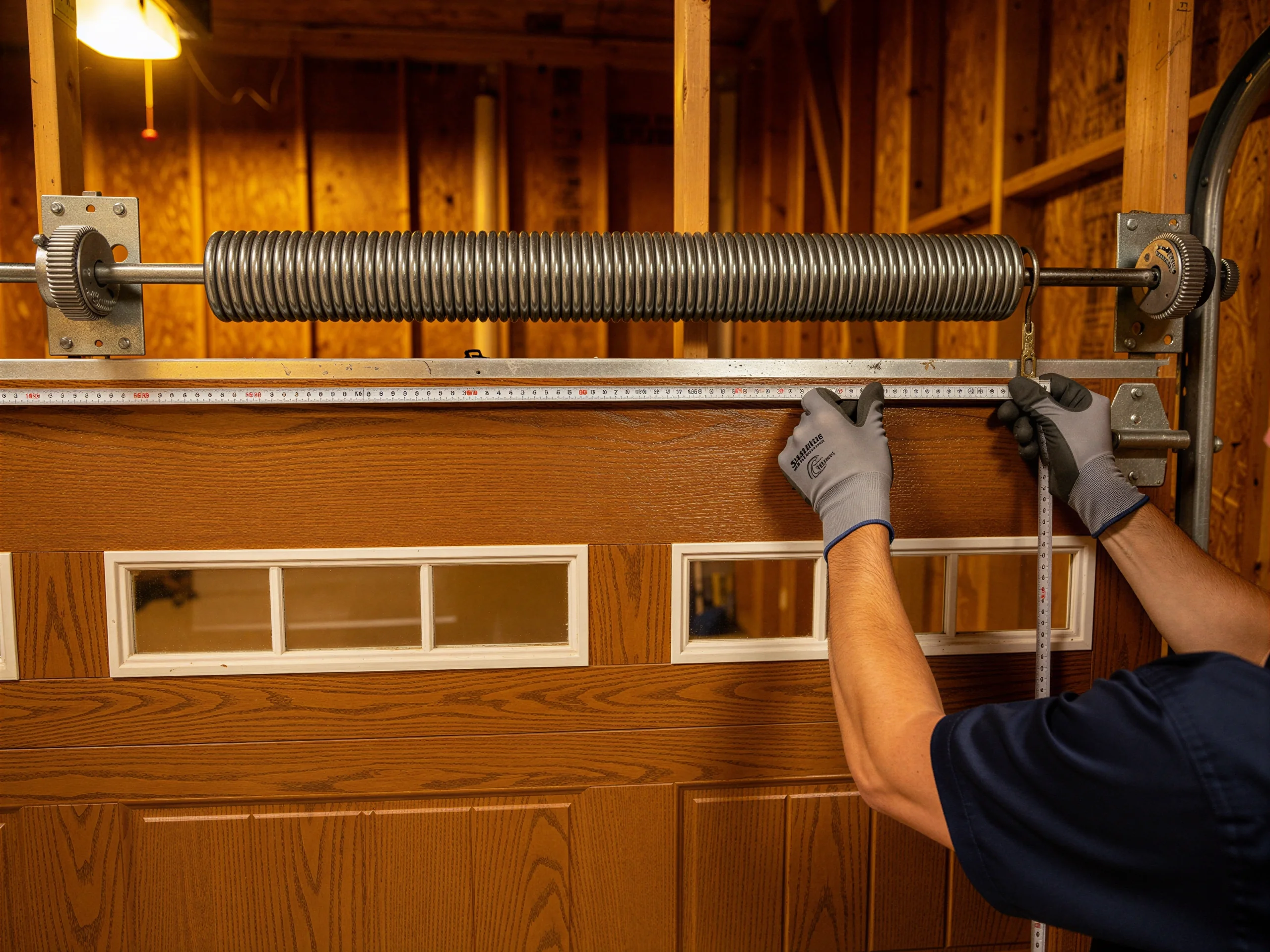
A technician measures a brown garage door with a torsion spring above it.

Broken Garage Door Spring Repair Across the Grand Haven Area

Torsion and extension spring repair for Grand Haven homes built 1945-1988, where cold winters and original hardware wear springs out fast. Learn more →
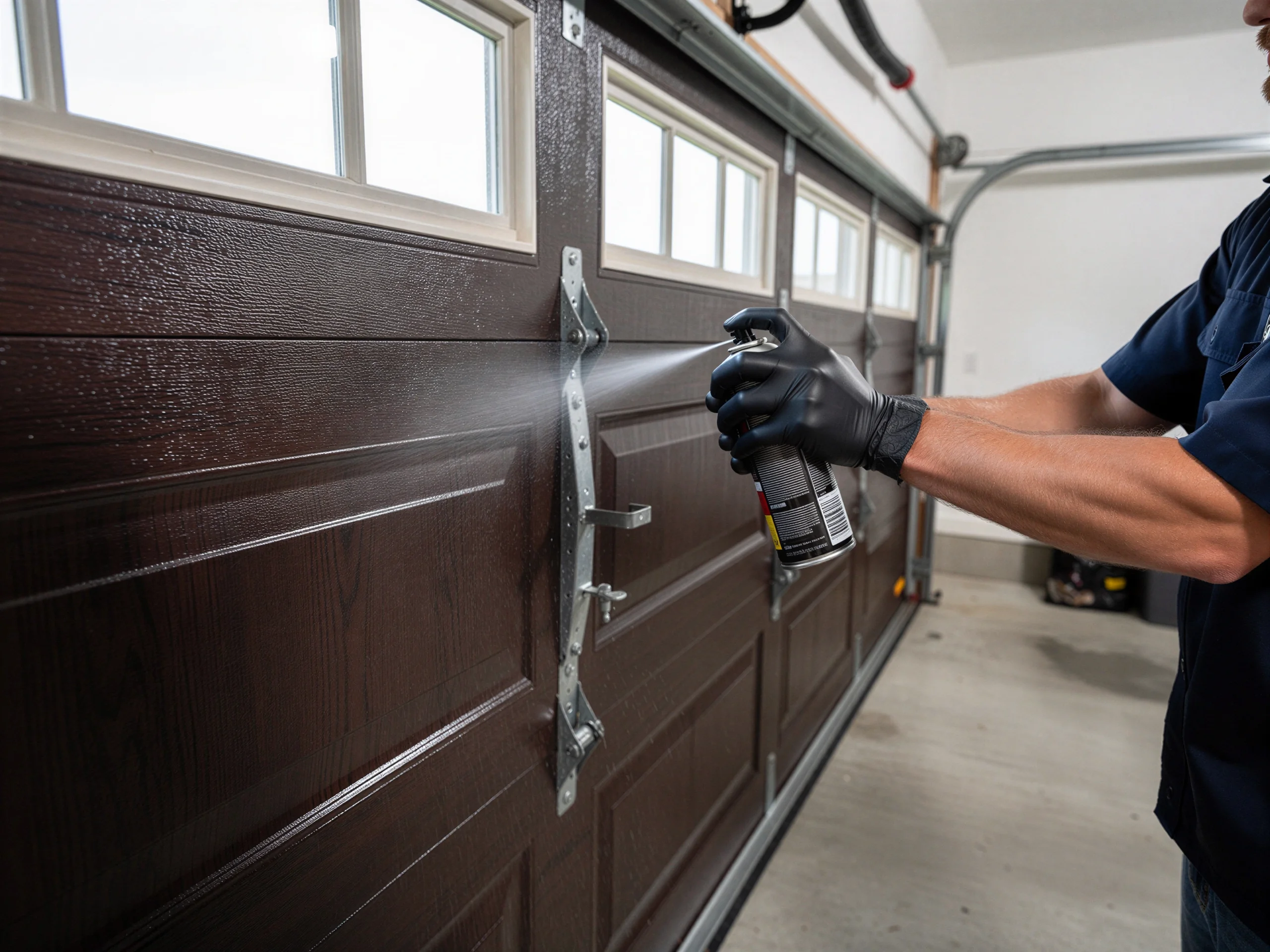
A technician in black gloves sprays lubricant on a brown garage door hinge.

Garage Door Service for Grand Haven Homes

Grand Haven Garage Door Pros fixes the doors, springs, and openers common to this town's 1960s-70s housing stock and cold-climate wear, with real talk on what's worth DIY and what isn't. Learn more →
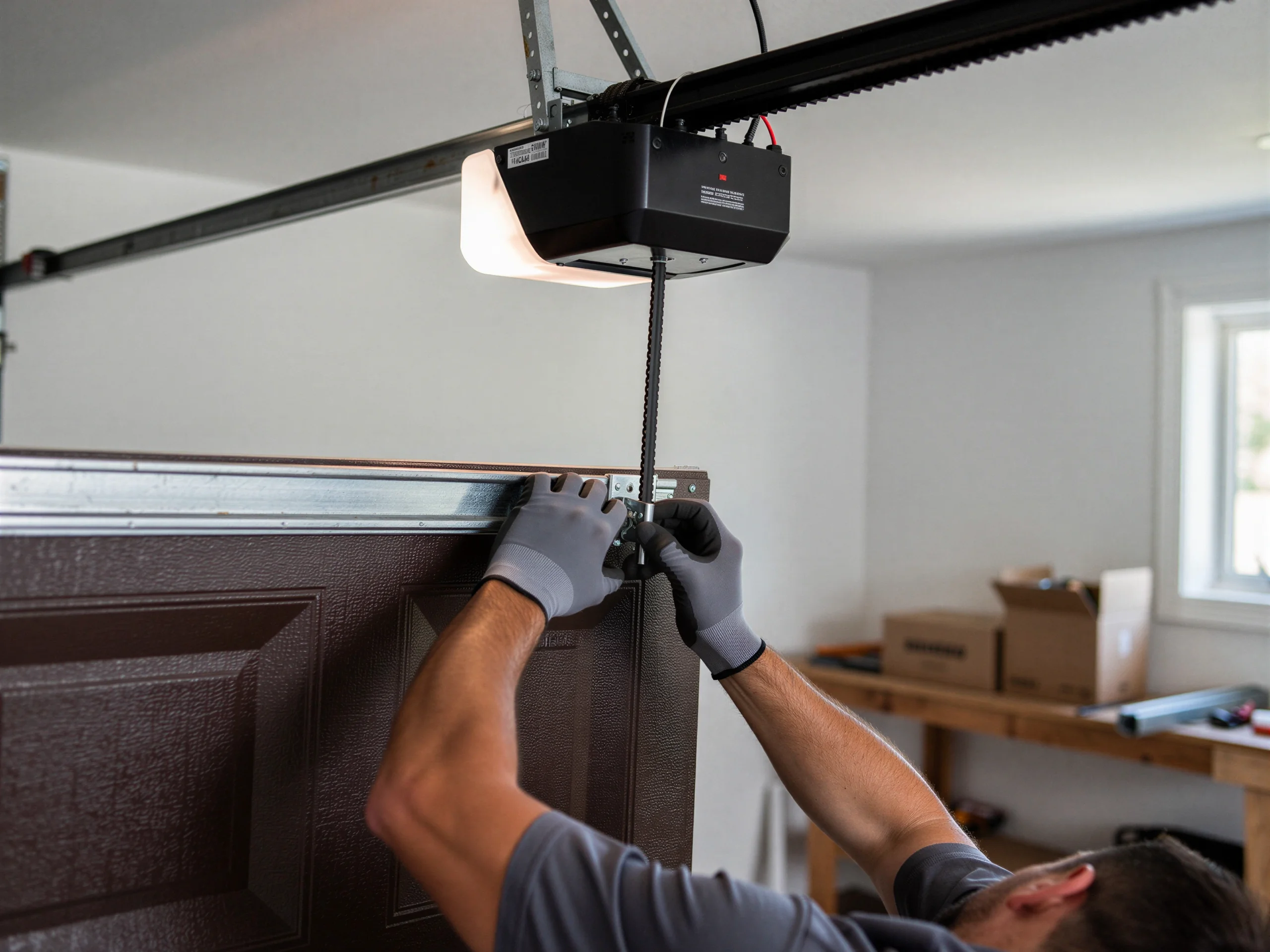
A technician in gloves works on a brown garage door under an opener.

Garage Door Opener Installation, Grand Haven MI

Opener installation for Grand Haven's 1960s-70s housing stock and severe-cold climate - what breaks first, why, and when a new opener beats another repair call. Learn more →
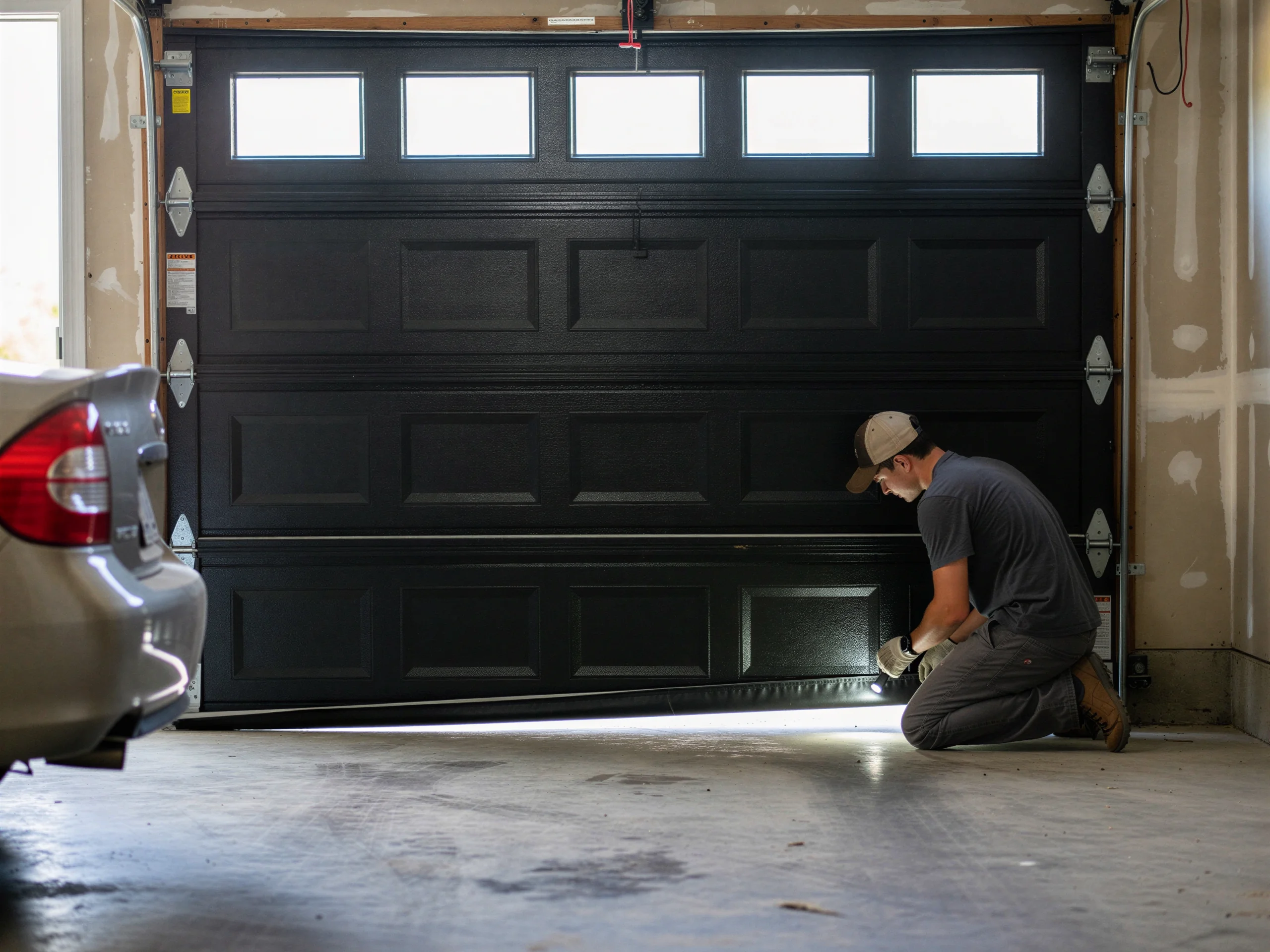
A technician kneels, shining a flashlight on the bottom of a black garage door.

Garage Door Repair in Grand Haven, MI

Grand Haven garage door repair for torsion springs, openers, and tracks strained by cold winters and the city's 1960s-70s housing stock. Learn more →
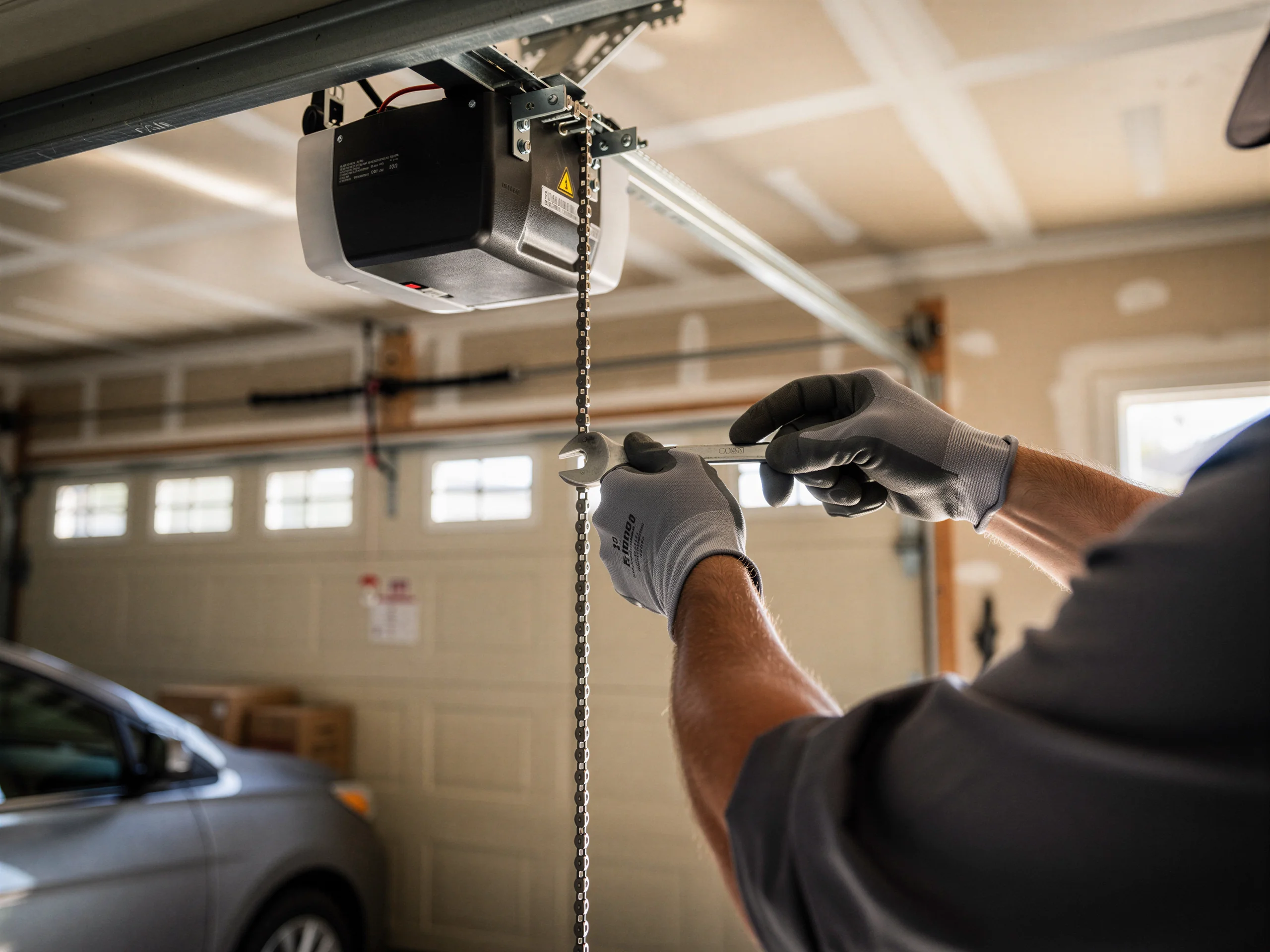
A technician in gray gloves holds a wrench near a garage door opener chain.

Garage Door Opener Repair, Grand Haven

Opener repair for Grand Haven's 1960s-70s housing stock, built for cold-climate failures like frozen limit switches and worn gears from decades of use. Learn more →

Ready when you are

Ready for a new garage door in Grand Haven?

Grand Haven Garage Door Pros repairs and installs garage doors, springs and openers in Grand Haven, MI and the surrounding area.

CallGet a quote