Earlier mismatched parts
The other place this goes sideways is when someone's already had a mismatched panel or spring swapped in at some point by a previous repair, sized for a different era of door.
Spring Lake, Grand Haven
Garage door repair for Spring Lake's 1958-era homes: torsion conversions, worn rollers, and cold-weather spring failure. Service runs 2 miles from Grand Haven.
The repair
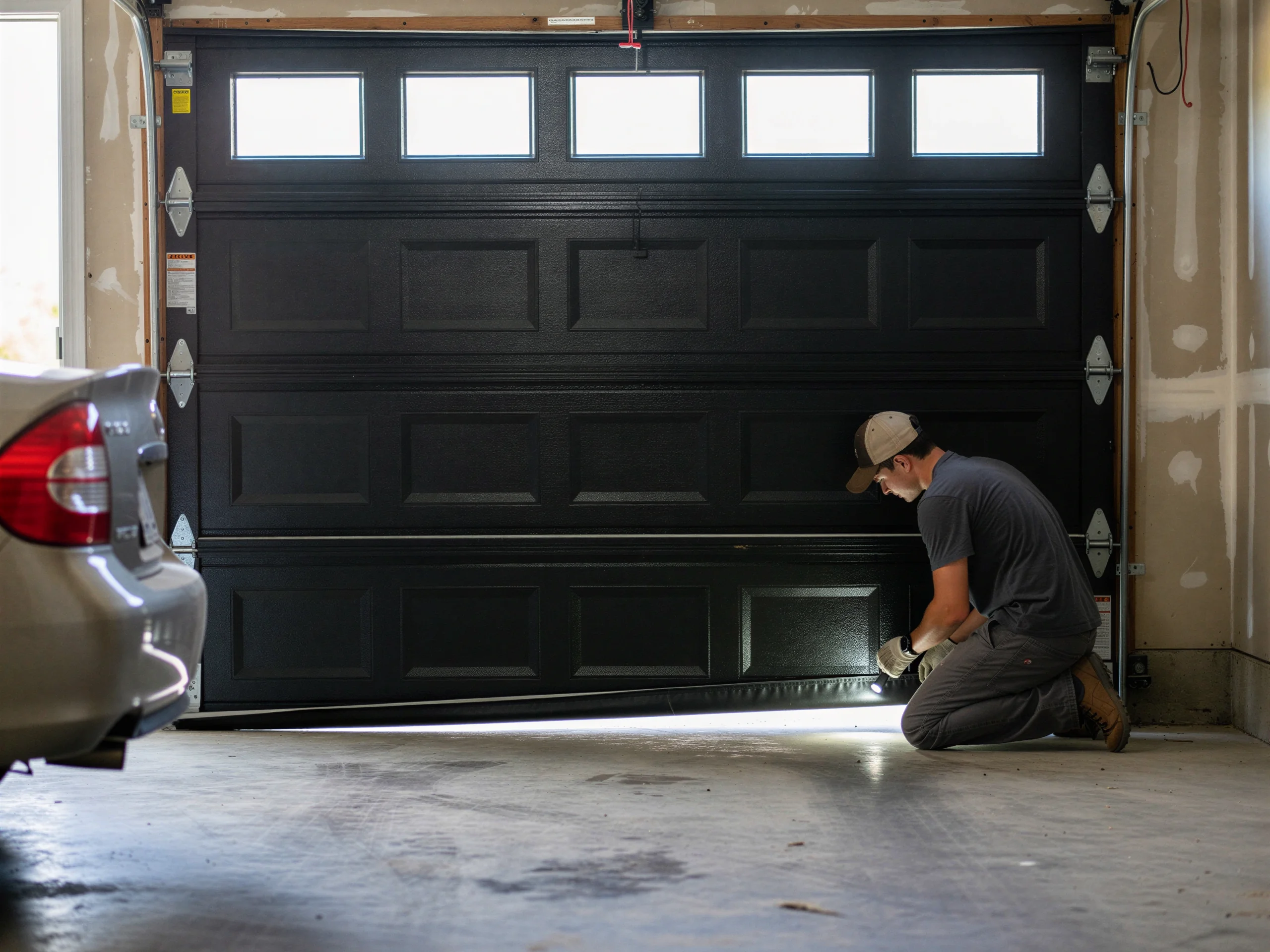
The call we get most from Spring Lake is a door that won't move, or moves and then slams the last foot of track. On a house built around 1958, that's usually original extension spring hardware still hanging on side brackets nobody's touched since the door went in.
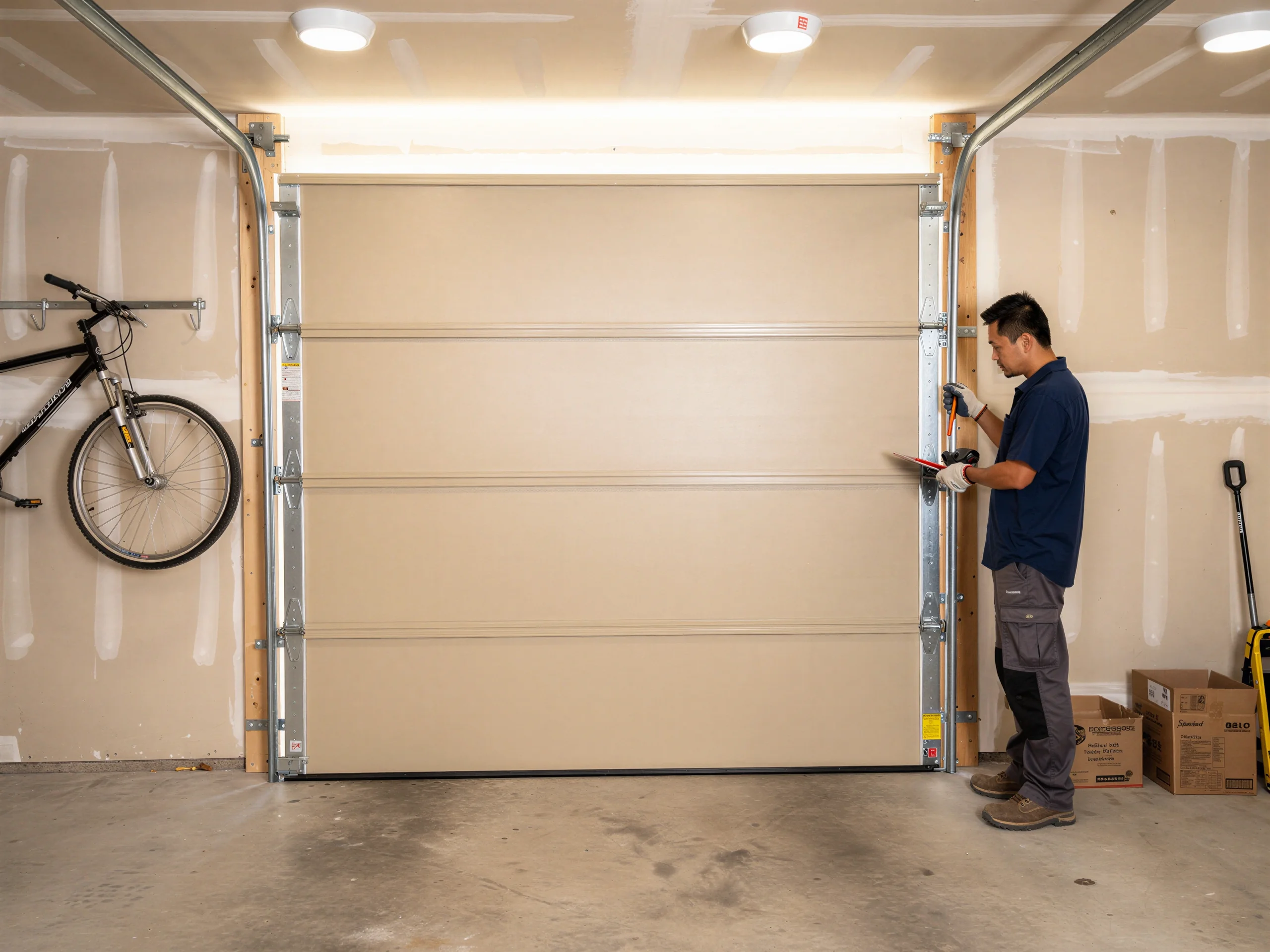
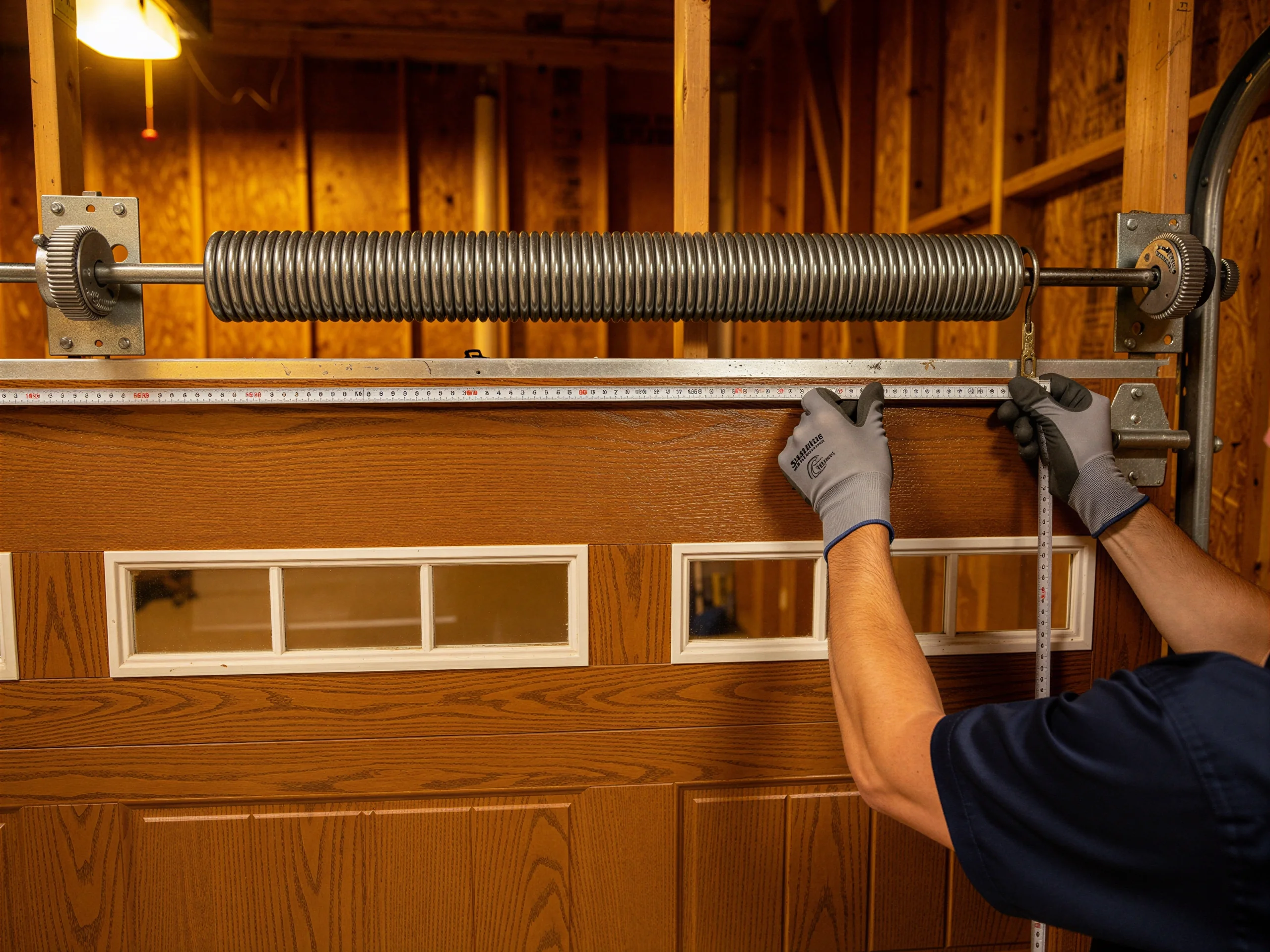
The fix isn't a five-minute spring swap like it is on a 1980s torsion setup. We're often converting the whole lift system to torsion on a center shaft, which means new end bearing plates, a new header bracket, and a cable drum setup that didn't exist when the door was installed.
That conversion runs longer than a straight spring replacement because we're building mounting points that aren't there yet, not just swapping a part that is. If the jamb framing underneath has shifted with age, that adds time too. We carry the brackets and shaft stock for this specific job because we see it often enough in this age of house - but we won't pretend it's a quick stop.
Budget for a half day, not an hour, and ask when you book so there's no surprise when we get into the header and find out the track spacing is narrower than a modern door needs. For homeowners who want the general rundown on repair types across the service area, that's covered on our main service page; this page is specifically about what we run into on your side of the water.
Local causes
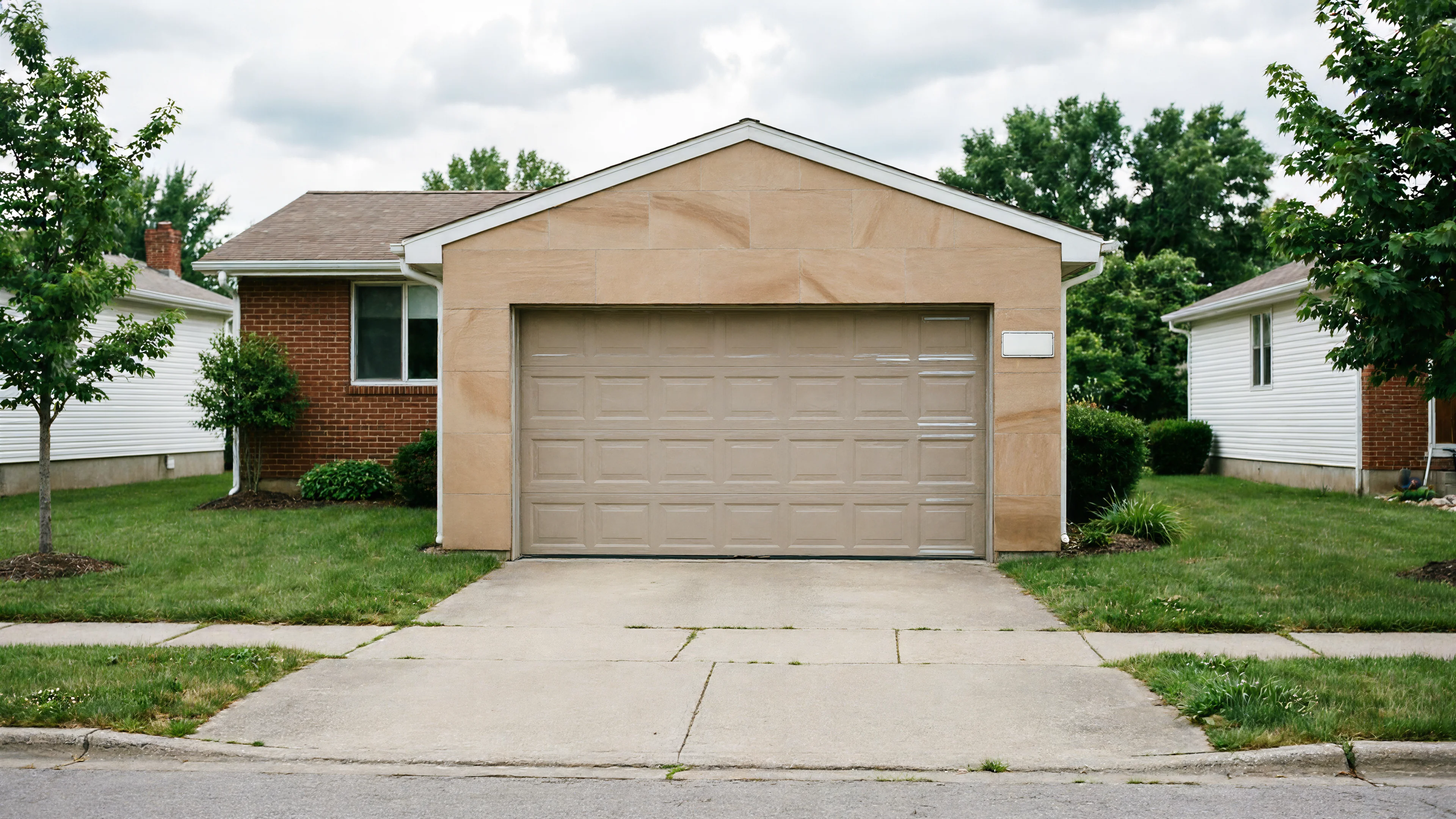
Spring Lake's housing stock centers on 1958, which puts a lot of these garages a decade or more ahead of the torsion-spring standard that became common through the 60s and 70s elsewhere in the area. That matters because extension springs age differently than torsion springs - they stretch and fatigue along their full length instead of twisting on a shaft, and after six decades the steel has usually gone past any safe margin even if it looks intact.
With roughly 1,272 households on this side, we're not dealing with a huge volume of calls, but the ones we get tend to cluster around this same hardware generation. It's not random bad luck - it's the age of the neighborhood. A door that's never been touched since 1958 is working on spring steel older than most of the people calling us about it.
Symptoms
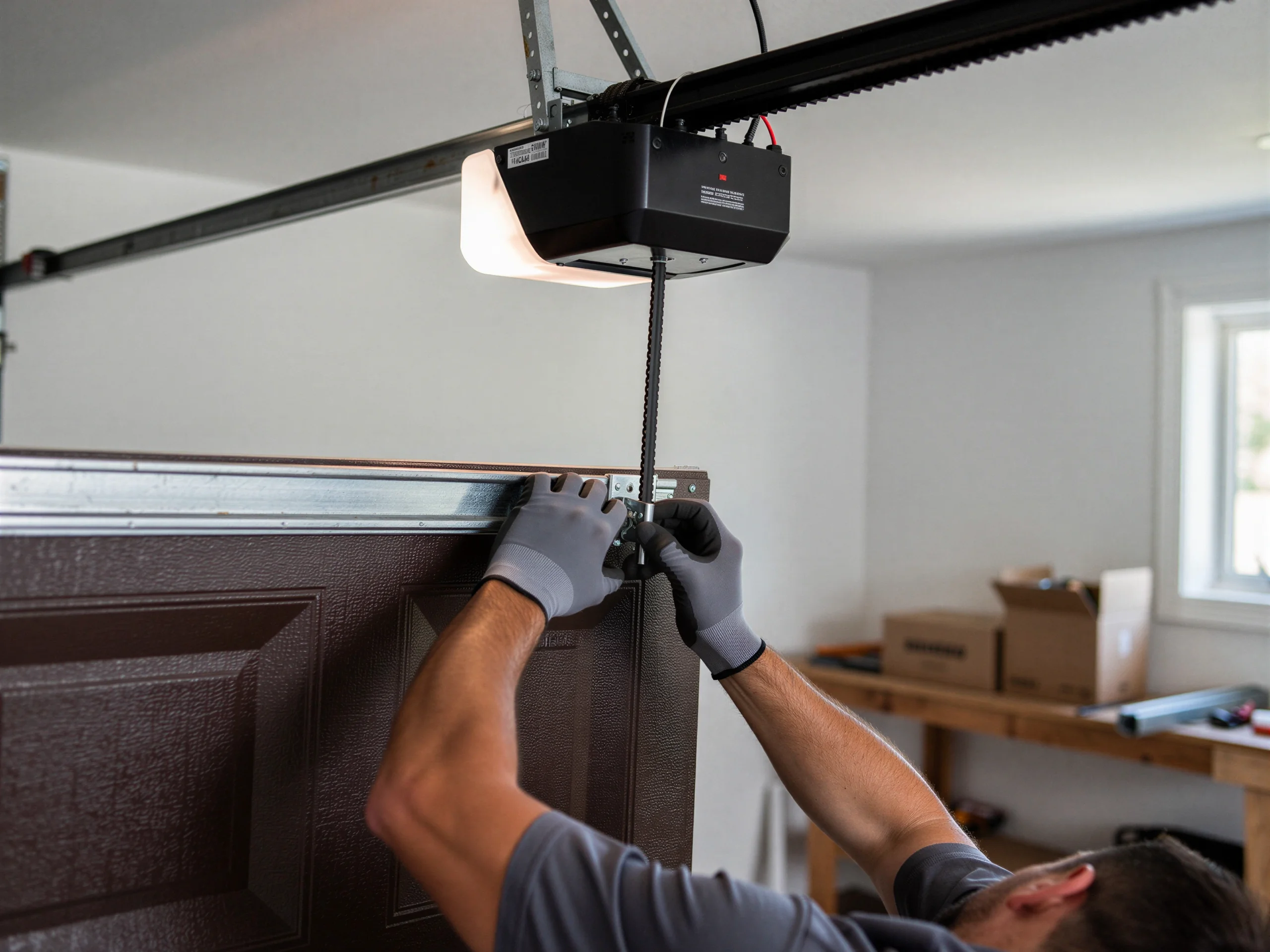
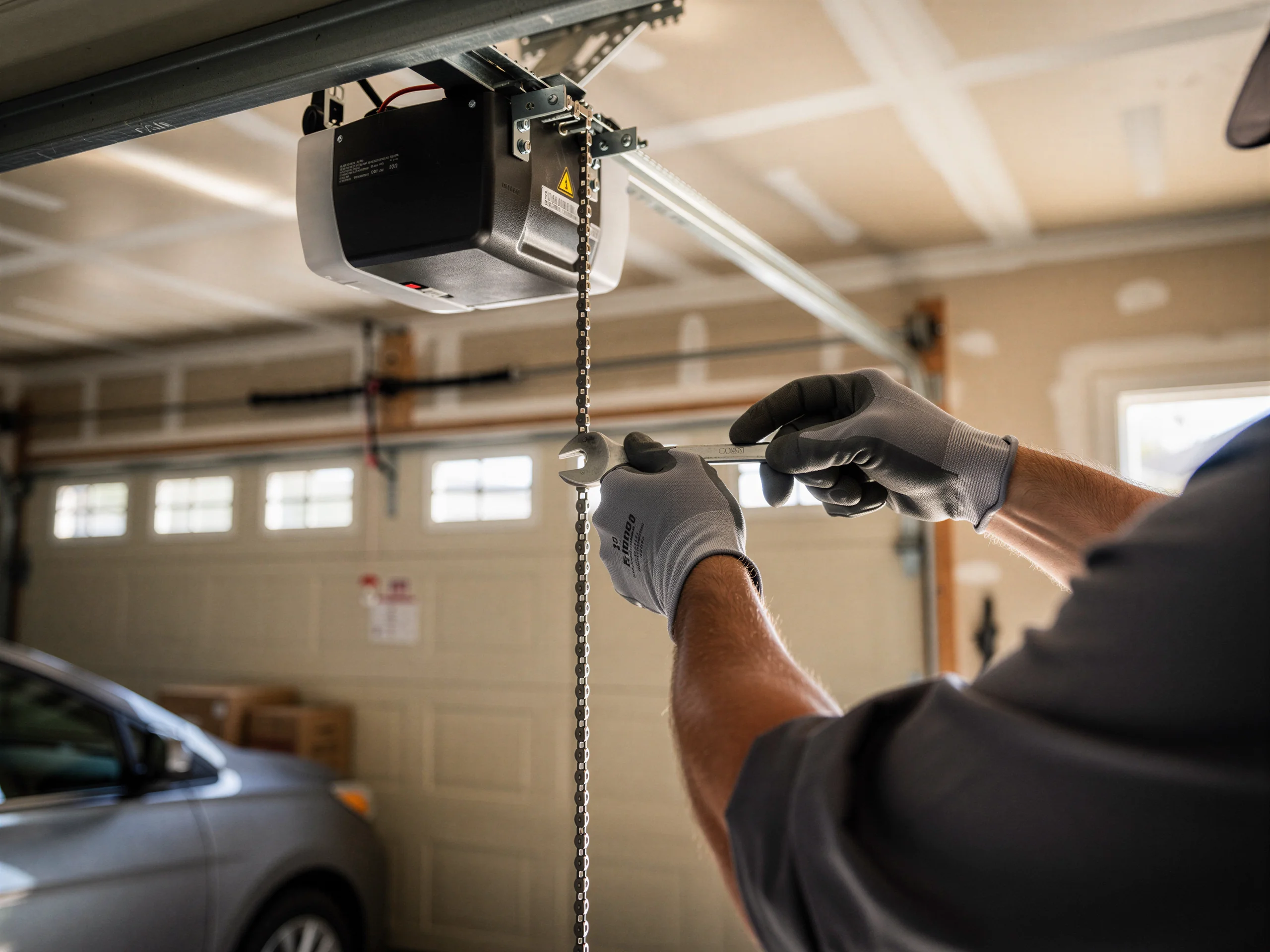
The giveaway on these older setups is a door that lifts fine for the first foot, then drags or jerks for the rest of the travel - that's a spring that's lost tension unevenly, not a dead opener. Some owners assume the opener motor is failing because it strains and clicks, but on a 1958-era door with worn extension springs, the motor is just doing a job the springs stopped doing years ago. Keep running it that way and you'll burn out the opener prematurely trying to make up for the spring.
Cold matters here too - this is a severe cold climate region, and steel spring tension drops further as temperatures fall. A door that's merely sluggish in September can seize entirely on a January morning, which is often when the call comes in.
Watch-outs
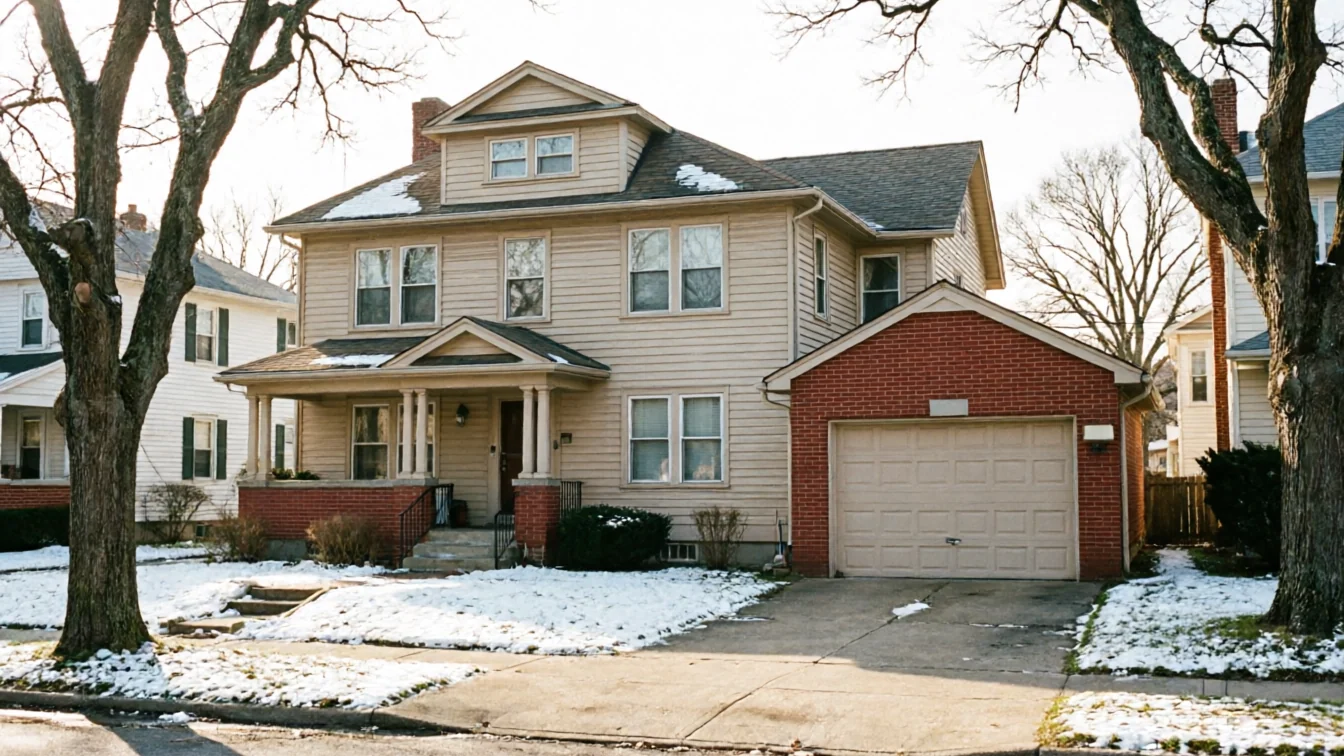
The honest limitation: if the wood jamb behind the hardware has rotted or shifted with age, a straight torsion conversion won't hold. We have to rebuild the mounting surface first, and that's carpentry, not garage door work - we'll tell you straight if that's what we're looking at rather than bolt a new bracket into bad wood and have it fail in a year.
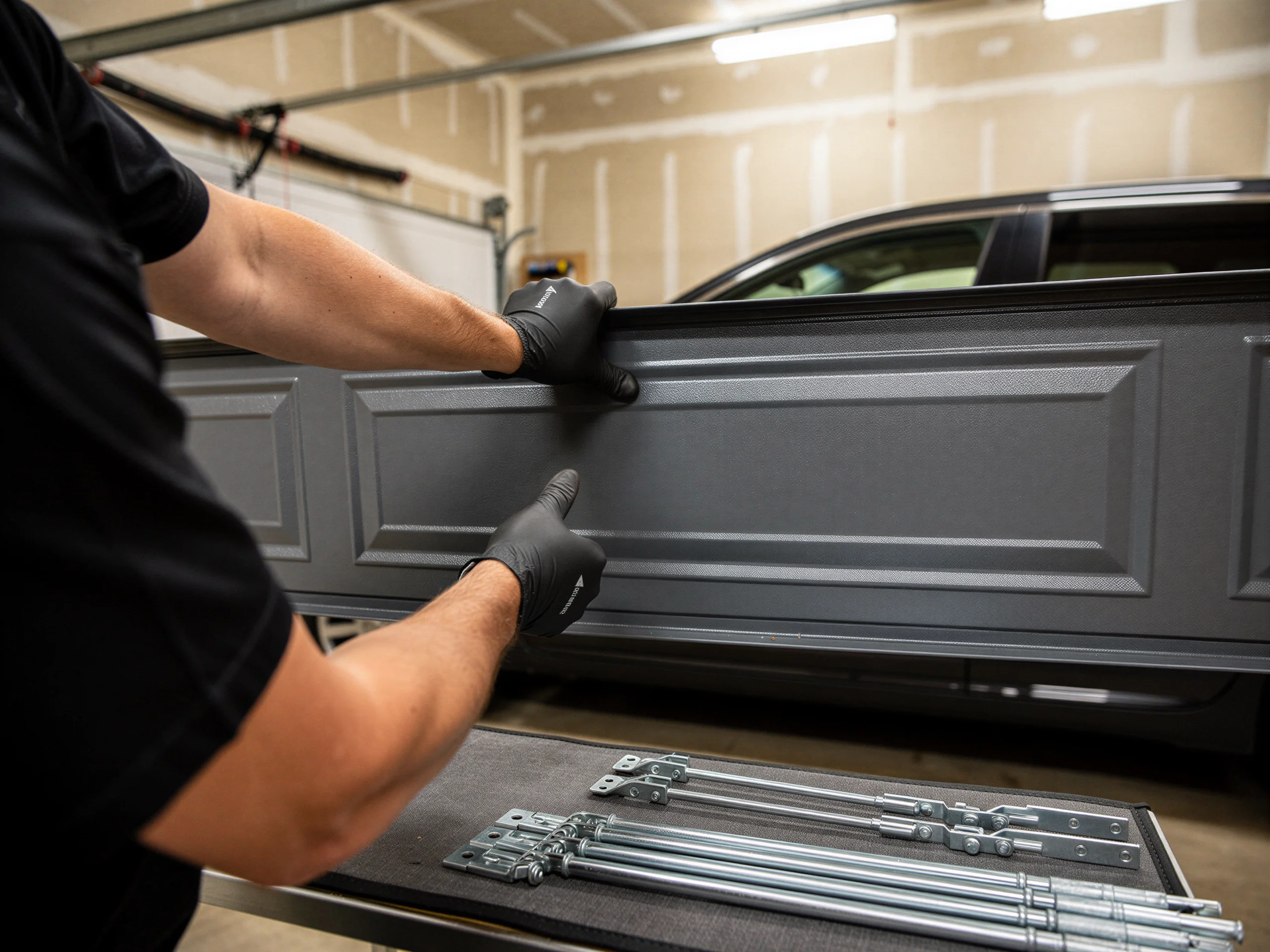
The other place this goes sideways is when someone's already had a mismatched panel or spring swapped in at some point by a previous repair, sized for a different era of door.
We've opened headers expecting a clean 1958 setup and found parts from three different decades stacked on top of each other. That adds diagnosis time before we can even quote the real fix.
At a median household income of $75,000 for the area, most owners here choose the torsion conversion once rather than keep patching aging extension hardware every couple of years - it costs more up front but it's the last time you deal with this particular fault. More on the doors themselves, sizes and styles common to this stretch, is on our Spring Lake page.
Questions
Spring steel loses tension as it gets colder, and this is a severe cold climate region. On an older extension-spring setup already near the end of its life, that seasonal drop is often what pushes a sluggish door into one that won't lift at all.
We stock the brackets and shaft hardware for converting 1950s-era extension spring setups to torsion, since that's the repair we run into most in this part of the service area. Less common original parts may need to be sourced, which can add time to the job.
Depends on what we find in the header. If the jamb and framing are sound, a torsion conversion on the existing door is usually the better value. If we find rot or a mismatched prior repair, replacement often ends up cheaper than chasing the old hardware.
Explore more
Ready when you are
Grand Haven Garage Door Pros repairs and installs garage doors, springs and openers in Grand Haven, MI and the surrounding area.